Oct 14, 2026Buying Guide
Amazon Hazmat Review for Pool Robot Batteries
Selling cordless pool robots on Amazon? What the hazmat review looks at, which battery documents sellers upload, and why a mismatch stalls a listing.
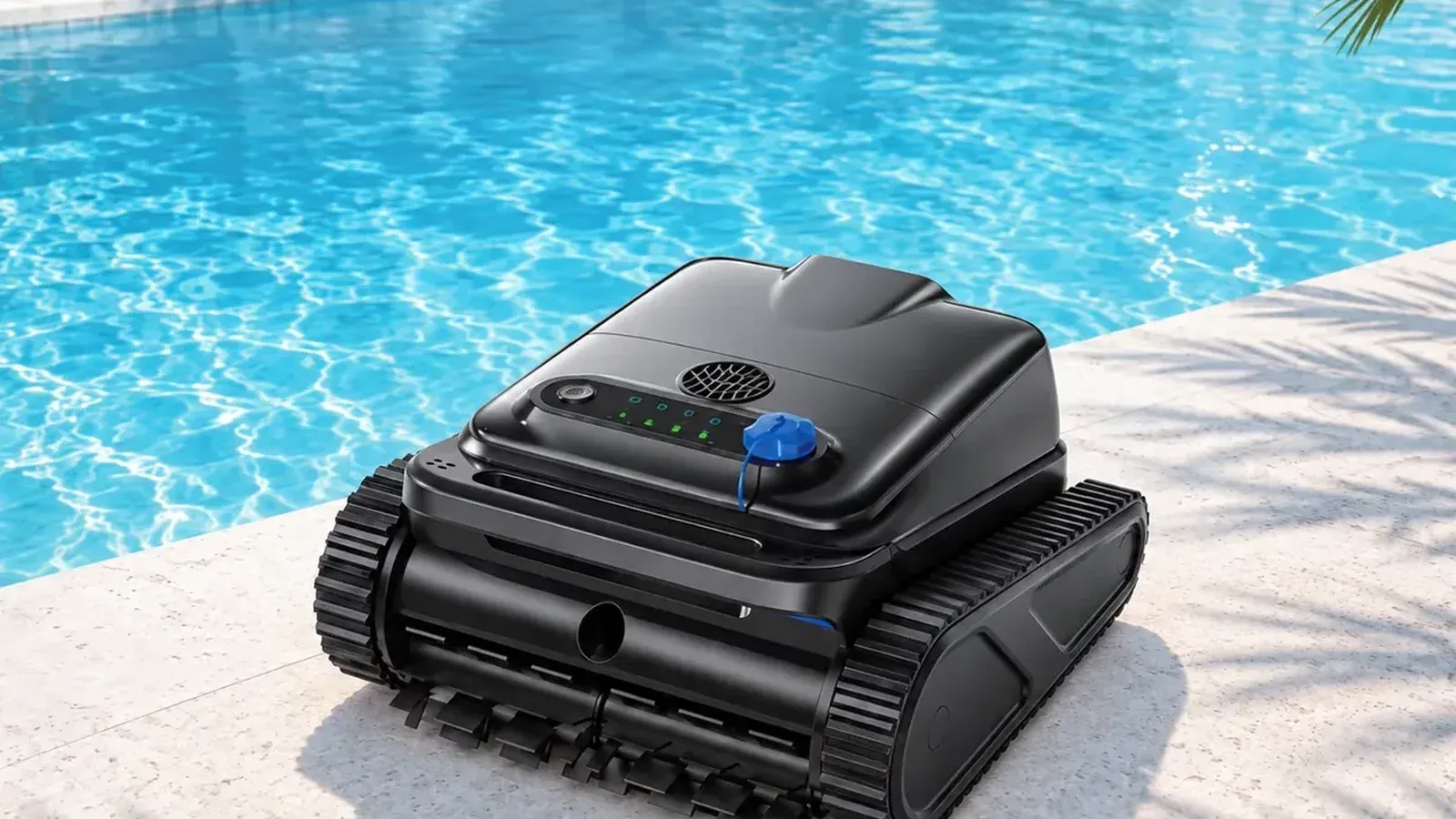
To a marketplace's dangerous-goods team, a cordless pool robot is a lithium battery with a cleaning machine built around it. Products with lithium batteries listed on Amazon are commonly reviewed as possible hazmat before they can be stored in, or shipped from, Amazon's warehouses. If nobody plans for it, the review tends to surface when the first inbound shipment is being set up, with the robots already on the water. It's far easier to prepare while you're still choosing the model.
Why is my pool robot listing stuck in hazmat review?
Usually because the review is missing information, or the information it has doesn't agree. It looks at what the battery is, how much energy it holds and how it's packed, and it draws on two sources: the battery details entered on the listing and the documents uploaded for the product. When those agree, there's little left to question. When the listing says one thing and the safety data sheet says another, expect the review to stop and ask.
Which documents does Amazon ask for?
Requirements differ by marketplace and change over time, so work from the current seller guidance for yours. For lithium-battery products, sellers are usually asked for a safety data sheet and often a UN38.3 test summary, together with battery details on the listing: the battery type, its watt-hour rating and whether it's installed in the product or packed beside it. MSDS is the older name for the same safety data sheet. We supply UN38.3 test reports and MSDS for the batteries in our robots. If your marketplace wants the sheet in a particular format, tell your supplier before you upload anything.
What usually doesn't match?
Small things, mostly. The listing asks for watt-hours, while spec sheets and pack labels often show milliamp-hours, and converting one to the other needs the battery's nominal voltage. Our C2 product page, for example, lists a 4500 mAh battery. Type that into a field that asks for watt-hours and you've created a mismatch before the review has started. Take the watt-hour figure straight from the battery label or the safety data sheet instead. Copied attributes are the other trap. A listing built from a sister model's template can carry the wrong battery details into the review, and the documents will contradict it.
Private label adds one more. Your listing carries your brand and model name, while the battery documents carry the factory's model and battery. Keep a short cross-reference with your model name, the factory model and the battery model, so you can answer straight away if a reviewer asks how they connect.
Does passing the review mean the product is compliant?
No. The hazmat review decides how the product is stored and shipped. Market certifications are a separate matter: CE, FCC and the rest are issued per model, and a marketplace or retailer can ask for them on their own. Keep two folders, transport and handling documents in one and product compliance in the other. Mixing them up is how a seller ends up uploading a certificate where a safety data sheet was wanted.
Can we sell spare batteries on Amazon too?
Spare batteries are a sensible add-on, and buyers can order them from us separately, along with filters, brushes, tracks and chargers. Expect the battery to go through its own review, and a stricter one. A battery sold on its own is classed differently from one installed in a robot, so its documents, listing details and packaging all have to describe a loose battery. Filters, brushes and tracks carry no battery, so they don't face that part of the review.
What should we sort out before the first shipment?
Fix the exact model and battery first, then get the UN38.3 report and the MSDS for that battery before production starts. Fill in the listing's battery details from those documents. Keep everything in one folder with your model cross-reference, because the same questions can come back when you add a color or open a new marketplace. And leave room in the plan. Our lead times run until the goods are ready to ship, and a listing review runs on its own schedule, separate from production and freight.
FAQ
Do you provide the documents Amazon asks for?
We supply UN38.3 test reports and MSDS for the batteries in our robots. Amazon's requirements vary by marketplace, so check the current guidance and tell us which format it asks for.
Will a private-label version need new battery documents?
Not if the battery stays the same. Your logo, housing color and packaging don't change the battery, so the same UN38.3 report and MSDS apply. If the battery changes, the documents change with it.
Planning to sell on Amazon? Tell us the model and the marketplace in the form below, and we'll send the UN38.3 report and MSDS for that model's battery so you can check them against your listing before the first shipment. Our team will reply by email within 1 business day.
Written by the Silver Home R&D and quality team.