Oct 14, 2026Buying Guide
Pool Robot Warranty Terms for Retailers
Warranty length is the easy part. Who diagnoses, parts or whole units, how defects are reported and settled: pool robot terms to agree before launch.
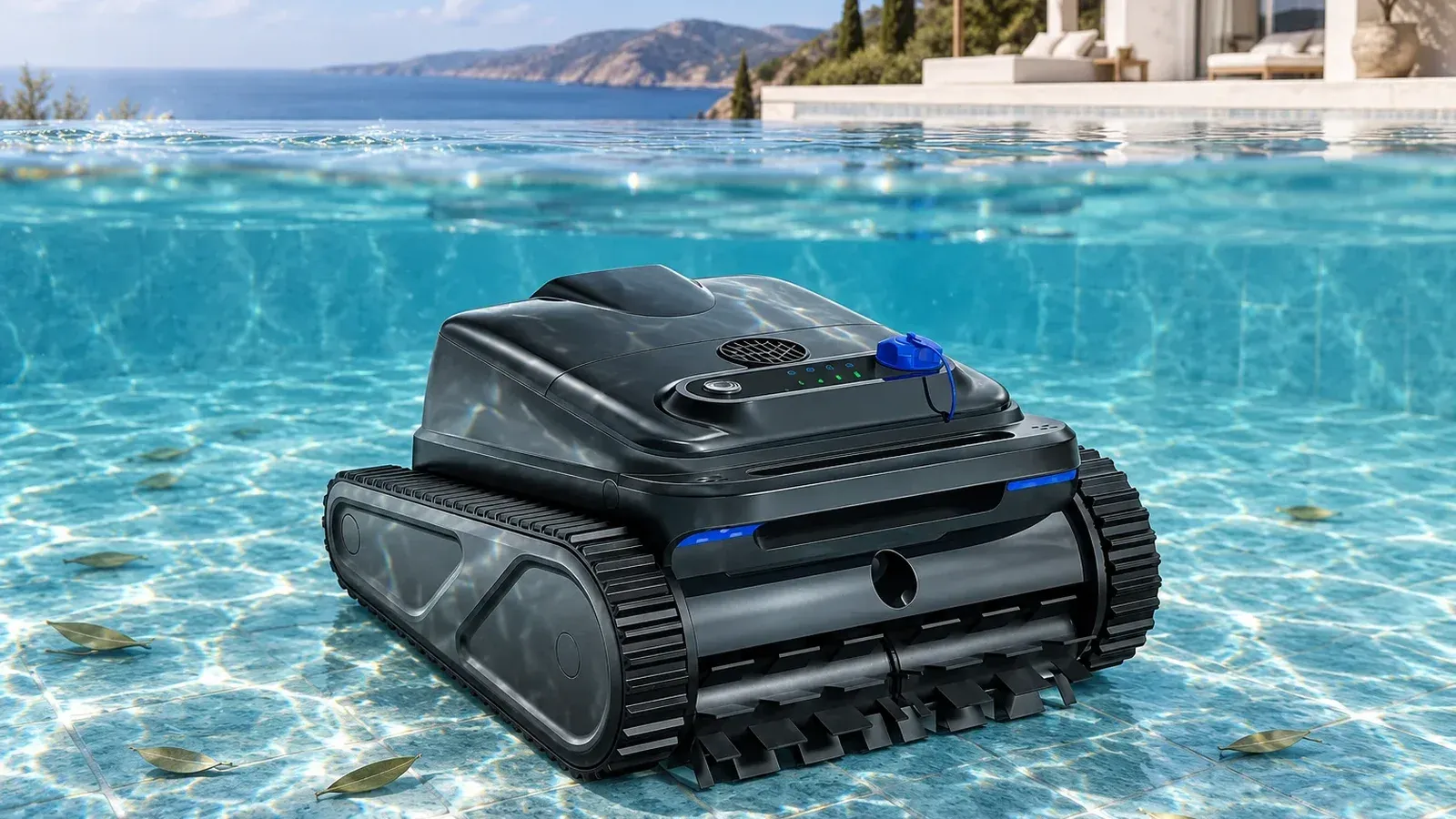
Warranty disputes between a retailer and a pool robot supplier tend to surface in the middle of the season, with a pallet of returned units and two different memories of what was agreed. The warranty length is usually written down. Who decides a unit is faulty, whether a part or the whole robot gets replaced, and how the money moves back often aren't.
We're the R&D and quality team at Silver Home. Our warranty for overseas buyers is 1 year on the whole unit, and spare parts and batteries can be ordered separately. Below are the other terms we'd want on paper before the first carton ships, whichever supplier you're working with.
What does the warranty actually cover?
Start with what “the unit” means in the contract. Ask whether the battery and the charger sit inside the warranty or are treated as consumables, because those are the parts owners call about first. Check that the contract wording matches what you'll print in your manual and on your box, since under private label those become your promises to the consumer. Then agree when the clock starts: on the supplier's shipment date, on arrival in your warehouse, or on the day the consumer buys the robot. Robots that sit in a warehouse over the winter can use up a good part of their warranty before anyone swims.
One more gap to check. In some markets, the legal guarantee a retailer owes consumers runs longer than a factory warranty. If that's true where you sell, decide now how the difference is covered, for example through a longer agreed term or a stock of spare parts on your side.
Who decides if it's really defective?
This is the term that saves the most money. A robot shipped back with a clogged filter or a flat battery costs freight both ways and still lands in someone's defect count. Agree a first-line check your support team runs before a unit is accepted as faulty: charged with its original charger, filter clean, brushes and tracks turning, powers on. Then agree the evidence a claim needs. A short phone video of the fault, a photo of the label and the purchase date usually tell an engineer more than the robot itself after a week in a box.
For faults that repeat, ask the supplier's engineers to look at a few units themselves. A fault that keeps coming back is a design question, and the people who designed the robot should be the ones answering it.
Do we have to send the whole robot back?
Often you shouldn't need to. Many faults come down to a replaceable part: a charger, a filter, a brush, a track or the battery. Since we sell those parts and batteries separately, a claim can often be settled with a part sent to the owner instead of a robot shipped across an ocean. Write down which faults get a part and which get a replacement unit, who pays the freight on each, and whether the part goes to the owner or to a service center. Then agree what happens to units that really are faulty, such as scrapping them locally with photos as evidence or sending them back in one batch for analysis.
How do we claim for defective units?
Agree the paperwork before you need it. A simple claim sheet with the model, the serial or batch number, the fault, the evidence and the purchase date, sent monthly or at the end of the season, is easier for both sides to check than a stream of single emails. Settlement usually takes the form of replacement units in the next order, parts, or a credit note. Pick one as the default so nobody negotiates each claim from scratch.
Should we agree a defective allowance?
Some retailers prefer a defective allowance: a credit agreed in advance, as a share of the order value or as free units, in place of claiming unit by unit. It cuts admin on both sides, and it moves the risk. If real defects come in under the allowance, the retailer keeps the difference. If they come in over it, the retailer usually absorbs the rest. If you go this way, set the figure per model and per program, after samples have been tested in your market, and review it after the first season with real claim data from both sides. A figure with no data behind it is a guess, whoever proposes it.
What happens before a unit ships
Every robot we build runs in a water tank before it's packed, and every unit gets a final inspection. Those checks happen before the carton is closed. The terms above cover what happens after it's opened, and a retailer's margin depends on both.
FAQ
How long is your warranty?
1 year on the whole unit for overseas buyers. Spare parts (filters, brushes, tracks and chargers) and batteries can be ordered separately.
When should we agree warranty terms?
Before the purchase order, ideally while you're testing samples. Under private label the warranty wording ends up in your manual and on your box, and it's hard to change once those are printed.
Setting up warranty terms for a new pool robot line? Tell us your market, channel and the models you're considering in the form below. Our team will reply by email within 1 business day. We'll go through the warranty and claim terms with you before you order.
Written by the Silver Home R&D and quality team.