Oct 14, 2026Manufacturing
UN38.3 and MSDS for Pool Robot Batteries
Forwarders won't book pool robots without a UN38.3 report and MSDS. What each one covers, sea vs air, and why both must match the exact battery.
Every robot we ship carries a lithium battery, and before the robots can move, the paperwork for that battery has to clear. The first things a freight forwarder asks for are the UN38.3 test report and the MSDS. Buyers often treat them as forms to collect at the end. We'd treat them as part of the product, because a report that doesn't match the battery in the carton can hold up a booking just as surely as a missing one.
What does UN38.3 actually test?
UN38.3 is a section of the UN Manual of Tests and Criteria. It's a series of transport tests for lithium cells and batteries, covering altitude simulation, hot and cold cycling, vibration, shock, external short circuit and impact, among others. Passing is a precondition for shipping the battery by road, sea or air. That's all it claims. It doesn't tell you how long the battery lasts in a pool, how well the robot cleans or whether the product meets the rules in your market. Forwarders read it as a transport document, and so should you.
What's in the MSDS?
The MSDS, or material safety data sheet (most regulators now simply call it an SDS), describes the battery: its chemistry, its hazards, first aid, what to do in a fire or a leak, how to store it and how to transport it. The forwarder uses it to classify the shipment. Your warehouse uses it to decide where the pallets go. It should name a specific battery model, and that model should be the one printed on the pack inside your robot.
Why does my forwarder say the report doesn't match?
Because a UN38.3 report covers one battery design: its cells, its capacity and the way the pack is built. Change any of those and the old report no longer applies. A report on the cells alone usually won't cover the finished pack either, since the assembled battery needs its own test. Before a booking, put three labels side by side: the battery model on the pack, on the UN38.3 report and on the MSDS. They should be identical, down to the last character.
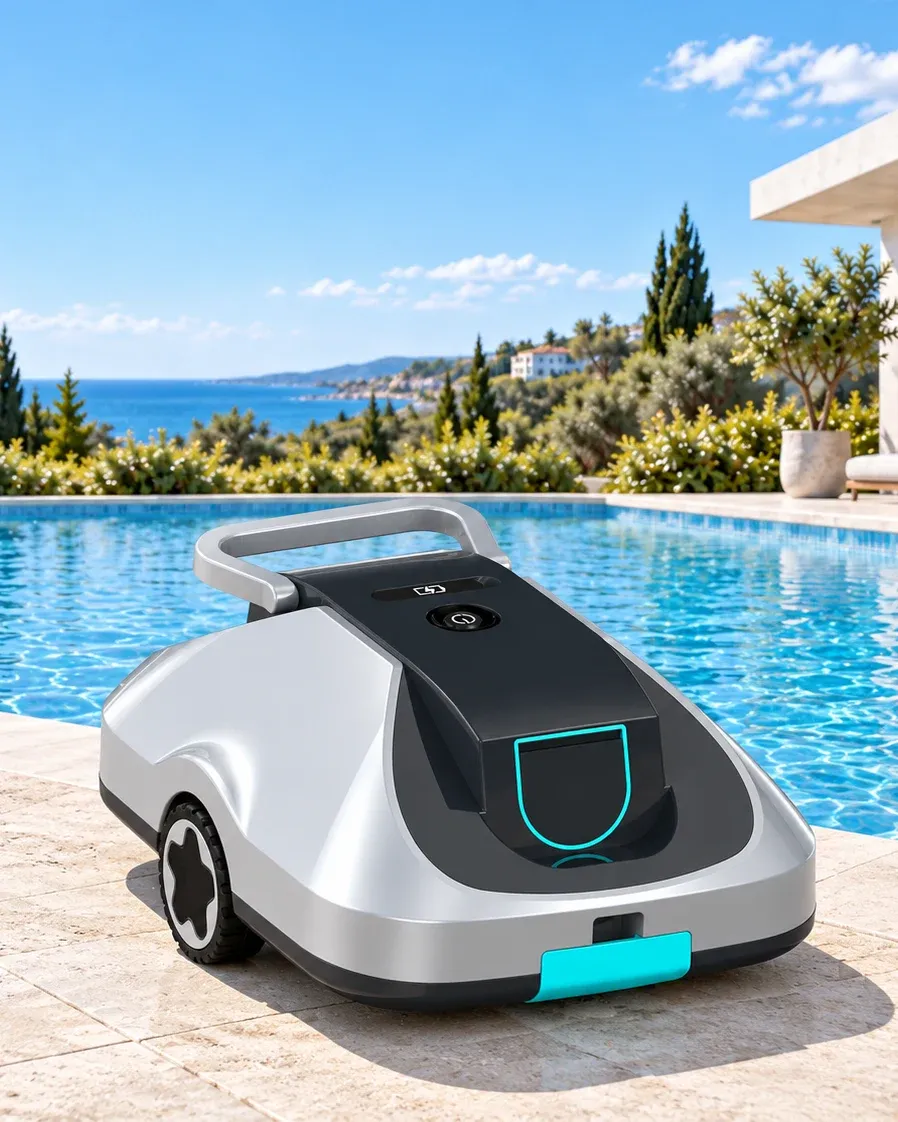
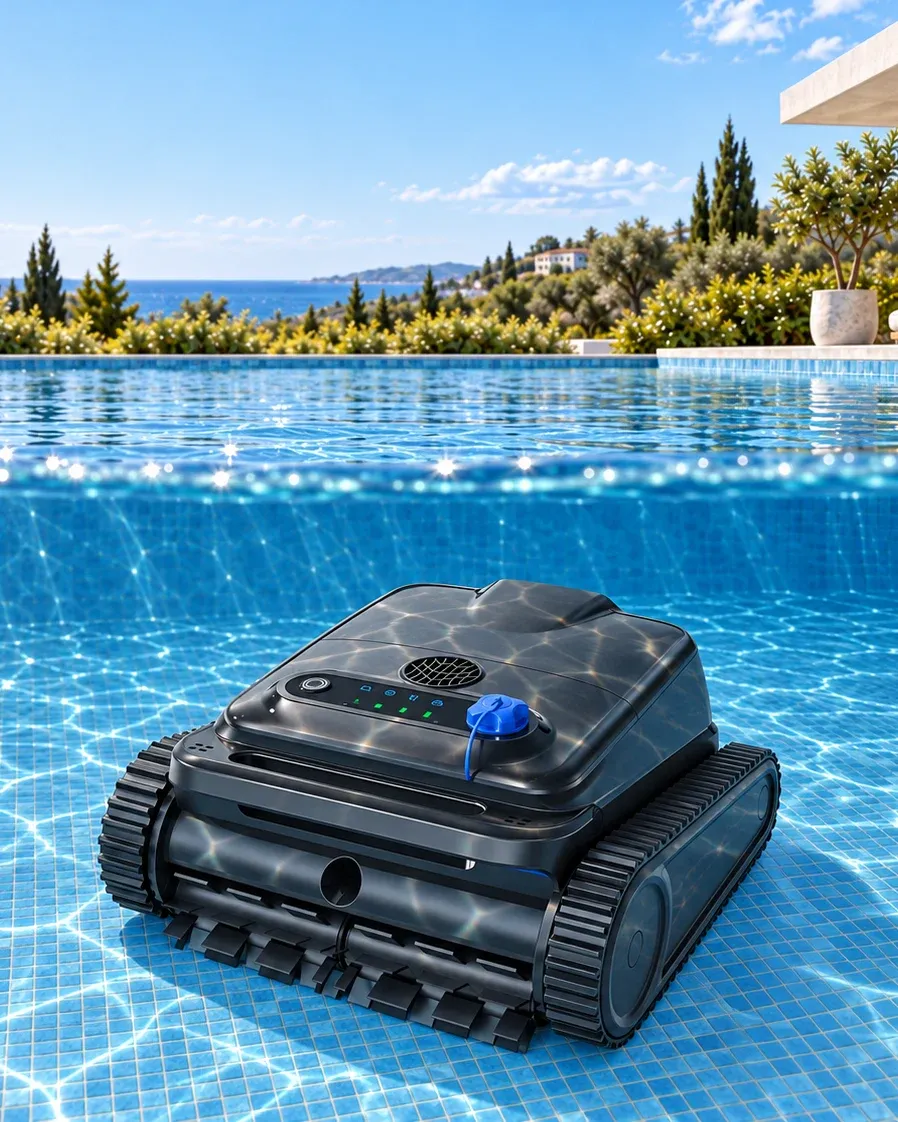
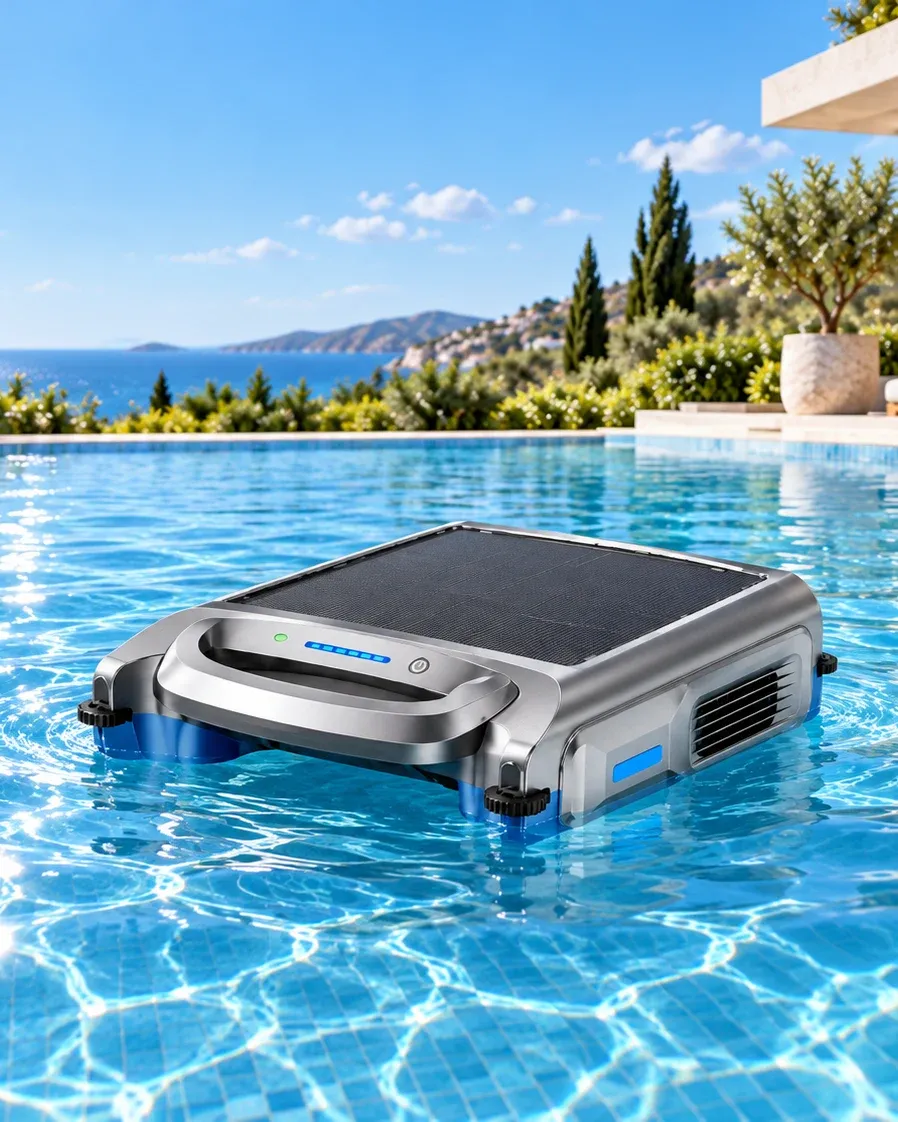
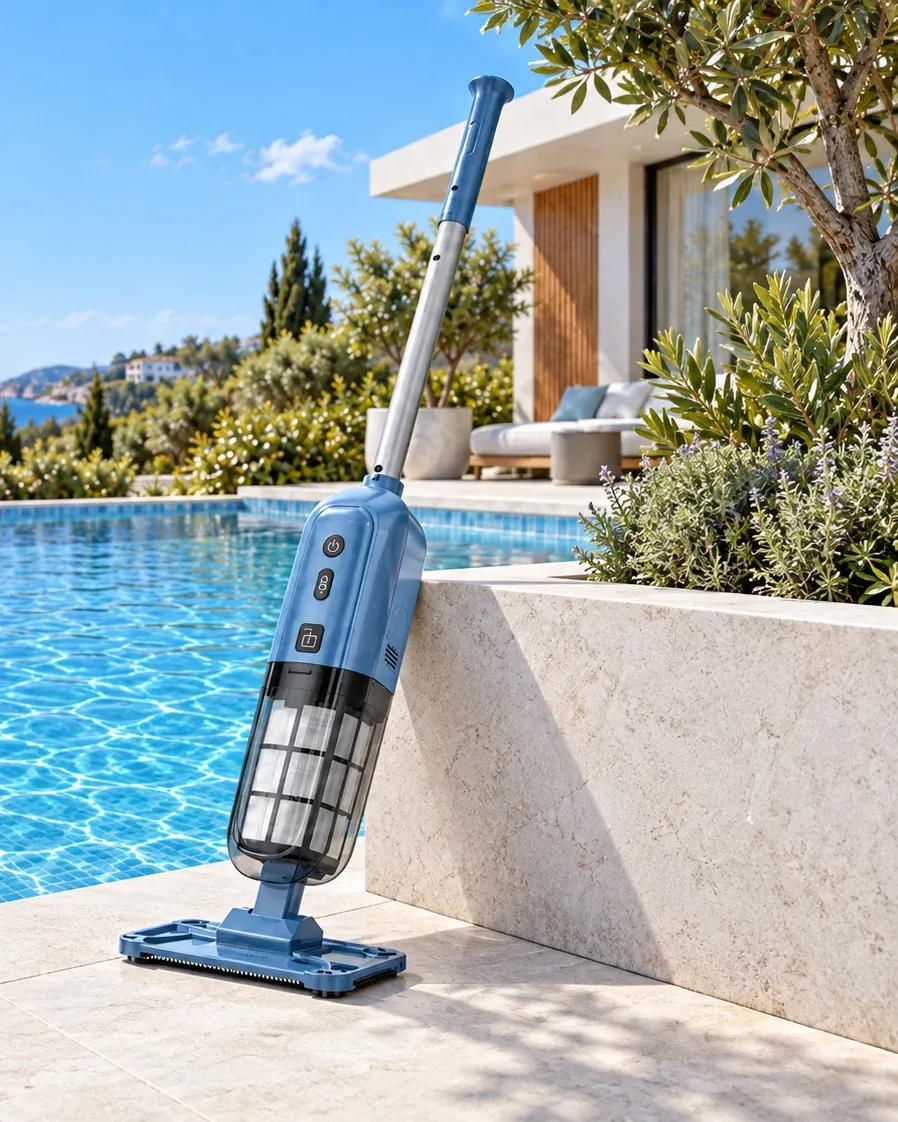
Capacity is where mismatches tend to creep in, because robots that look alike can carry very different packs. Our Y20 runs on a 2600 mAh battery and our Y50 on a 10400 mAh one. A report for the Y20's battery says nothing about the Y50's. The same goes for any sister model that shares a shell but not a battery.
Is shipping by sea different from air?
Mostly in how much paperwork travels with the goods. By sea, the forwarder and the shipping line still check the UN38.3 report and the MSDS before they accept the booking. Whether the shipment also needs a dangerous-goods declaration depends on how the battery is classified and on the carrier's own rules, so let your forwarder make that call from the documents. By air, expect dangerous-goods paperwork and battery labels on the cartons, plus closer checks at each handover. Air carriers also expect the battery's watt-hour rating to be marked on the battery itself, so look for it on your sample's pack label.
What else will the forwarder ask?
Usually the product model and how the battery travels: installed in the robot, or packed separately in the same box. Some forwarders want a photo of the battery label as well. Spare batteries change the picture. A battery shipped on its own is classed differently from one installed in a robot, and the rules are tighter, especially by air. Buyers can order spare batteries from us separately, so if you're adding them to an order, tell the forwarder before booking and let them classify both.
When should we ask for these documents?
Before you place the order. We supply UN38.3 test reports and MSDS for lithium battery shipping, and we'd much rather send them while you're comparing samples than after the goods are packed and the vessel is booked. Ask for the documents for the exact model you'll ship, and ask again whenever the battery changes between orders. A capacity upgrade halfway through a program is exactly the moment to check the paperwork before the next booking.
FAQ
Does a UN38.3 report expire?
It stays valid as long as the battery design doesn't change. Some forwarders want a recently issued MSDS, so ask yours what they'll accept.
Are UN38.3 and MSDS the same as product certification?
No. They cover the battery in transport. Market certifications such as CE or FCC are separate and issued per model, so check those for each model and market as well.
Can one report cover several robot models?
Only if they use exactly the same battery. Match the battery model on each robot's pack against the report.
Booking your first shipment of pool robots? Tell us the models and whether you're shipping by sea or air in the form below, and we'll send the UN38.3 report and MSDS for each battery. Our team will reply by email within 1 business day.
Written by the Silver Home R&D and quality team.