Oct 14, 2026Product Planning
Why Pool Robots Fail After One Season
Pool robots that die in year two tend to fail in the same places: seals, boards, batteries and tracks. What causes each one, and the tests that catch it.
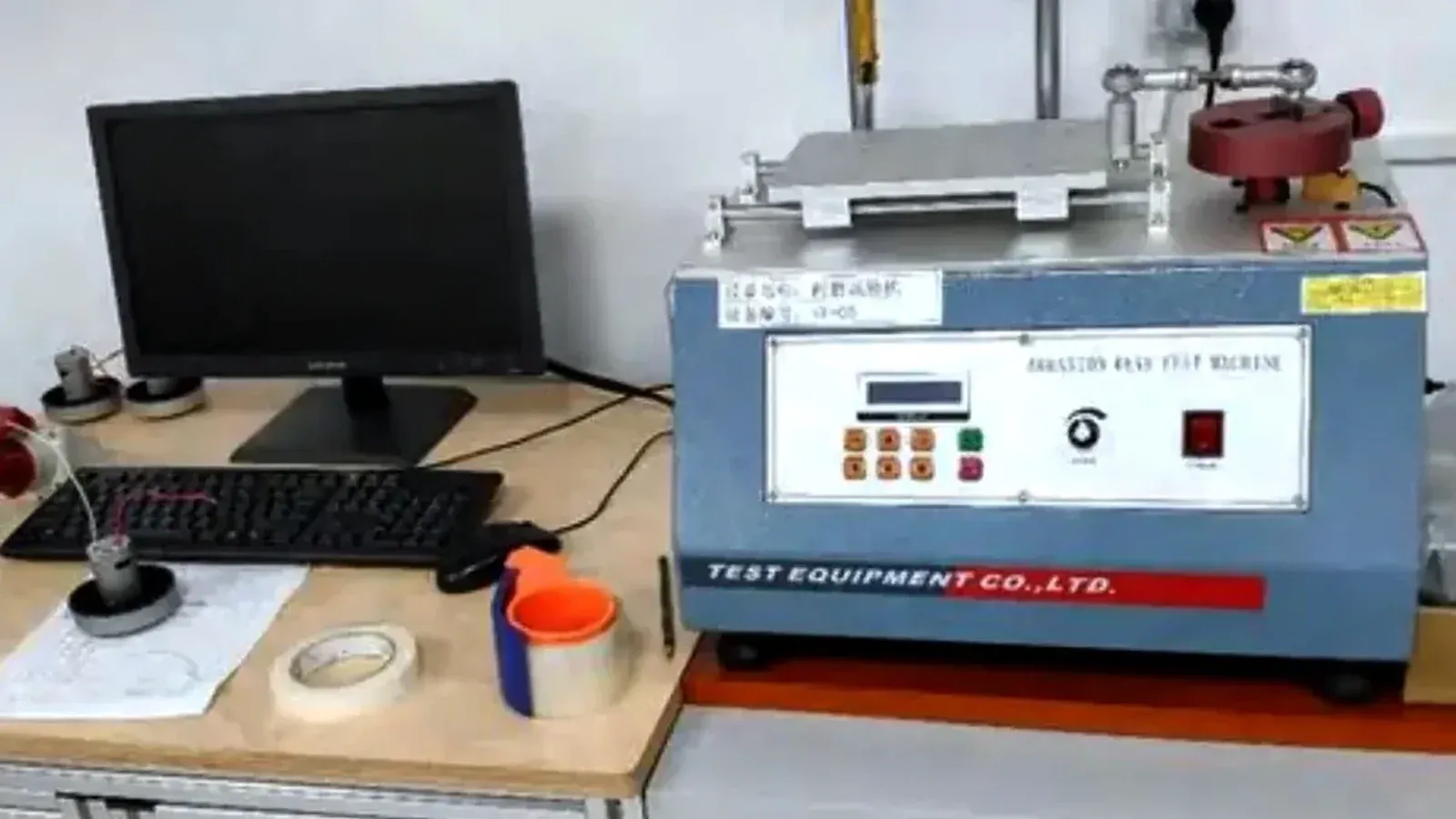
A pool robot that works for one summer and dies over the winter is the most expensive kind of failure for a retailer. It's past the easy-return window, it's still under warranty, and the customer is already annoyed when they call. Failures like this tend to start in four places, and each one has a test that can show it before a model reaches the shelf.
Water gets past a seal
Water in the motor housing or the battery compartment ends most robots for good. Seals rarely fail on day one. They fail after months of heat, cold and pool chemicals have hardened the rubber, which is why a single leak test on a new unit doesn't tell you much. On our Y50S we pressurize the motor housing to 0.05 MPa and watch for any drop. We also cycle the seals and tracks between 70 °C and -20 °C for a week, and soak every plastic, silicone and rubber part in a bleach and algaecide solution for a month. Nothing cracked, faded or changed shape.
The control board gives up
Inside a sealed robot, moisture has nowhere to go, and a board that's fine in a dry lab can fail in a hot, damp pool shed. We run Y50S control boards for 8 hours at 70 °C and 90–95% humidity, then 8 hours at -20 °C, then through 10 hot-cold shock cycles. When you talk to a supplier, ask for the same three numbers: temperature, humidity and hours. If they can't give you hours, the board probably wasn't tested for long.
The battery fades
Lithium batteries lose capacity as they age, and heat speeds that up. Owners notice it as a shorter run in the second summer. Heat is the part a factory can control. During our Y50S validation, the hottest battery cell reached 40 °C on discharge against a 67 °C limit, and the firmware shuts the robot down if it overheats. Ask suppliers for the cell temperature during a full discharge as well as the battery capacity.
Tracks and brushes wear out
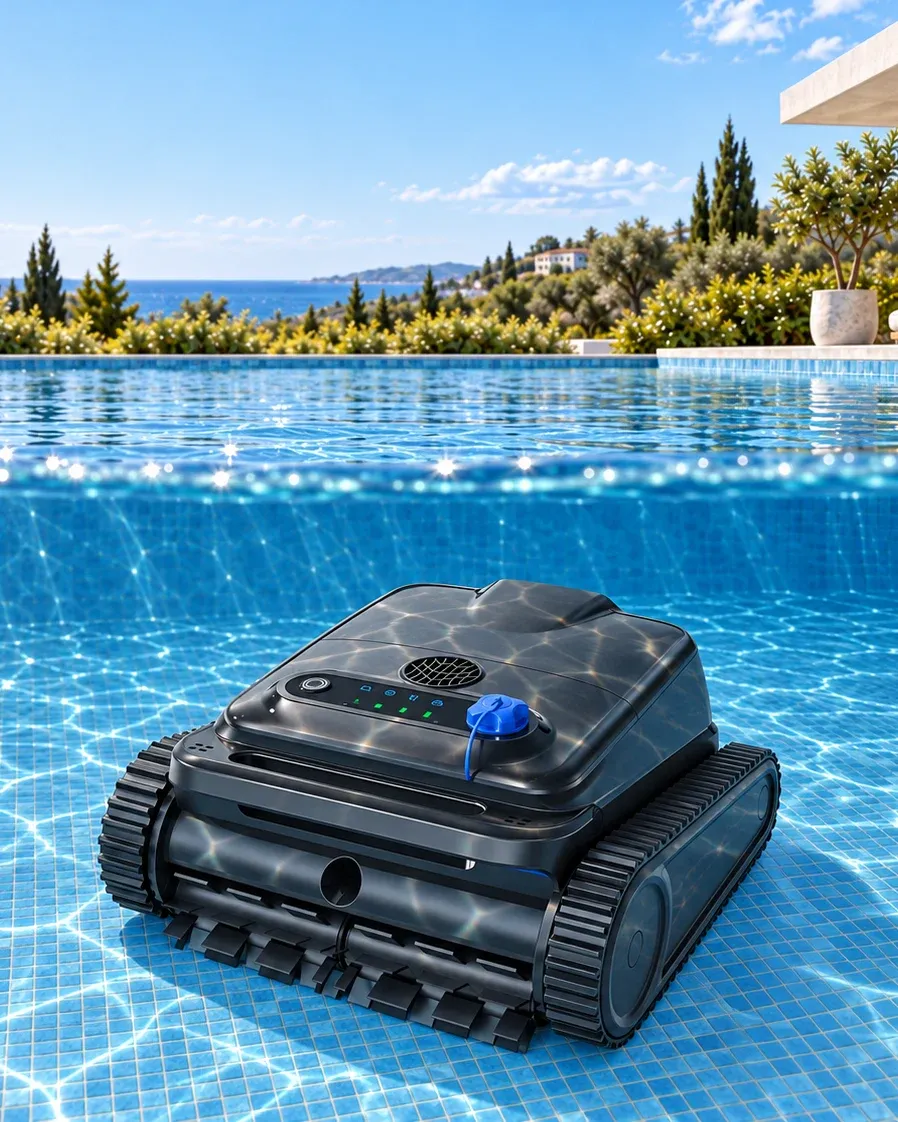
Tracks and brushes are wear parts, and an honest test says so. In our 1,100-hour life test, 10 Y50S units ran 3 hours on and 1 hour off. By the end the tracks showed real wear, and every robot was still running. Ask how many hours the life test ran, on how many units, and what wore out. If the answer is that nothing wore out, the test probably stopped too early.
What owners can do in the off-season
Some second-season failures start in storage. Rinse the robot in fresh water, empty and dry the filter, keep it indoors out of direct sun, and charge it the way the manual says before it goes on the shelf for winter. If you sell under your own brand, put those steps in the manual and on a card in the box. It costs almost nothing and it heads off warranty calls in spring.
FAQ
Is every unit life-tested?
No. Life tests run on sample units before launch. Every production unit gets a water test and a final inspection before packing.
What should we ask a supplier first?
Ask for the life test hours and number of units, the seal test pressure, the board temperature and humidity test, and the battery cell temperature on discharge. A supplier who answers with numbers has usually run the tests.
Planning a pool robot line for next season? Ask us for the Y50S test summary, or tell us your market in the form below and we'll suggest models.
Written by the Silver Home R&D and quality team.