Oct 27, 2026Fertigung
Poolroboter-Lebensdauer: Was 1.100 Stunden belegen
Zehn Y50S liefen im Lebensdauertest 1.100 Stunden und funktionierten weiter. Warum das nichts über den Akku aussagt und wie Sie die zweite Saison planen.
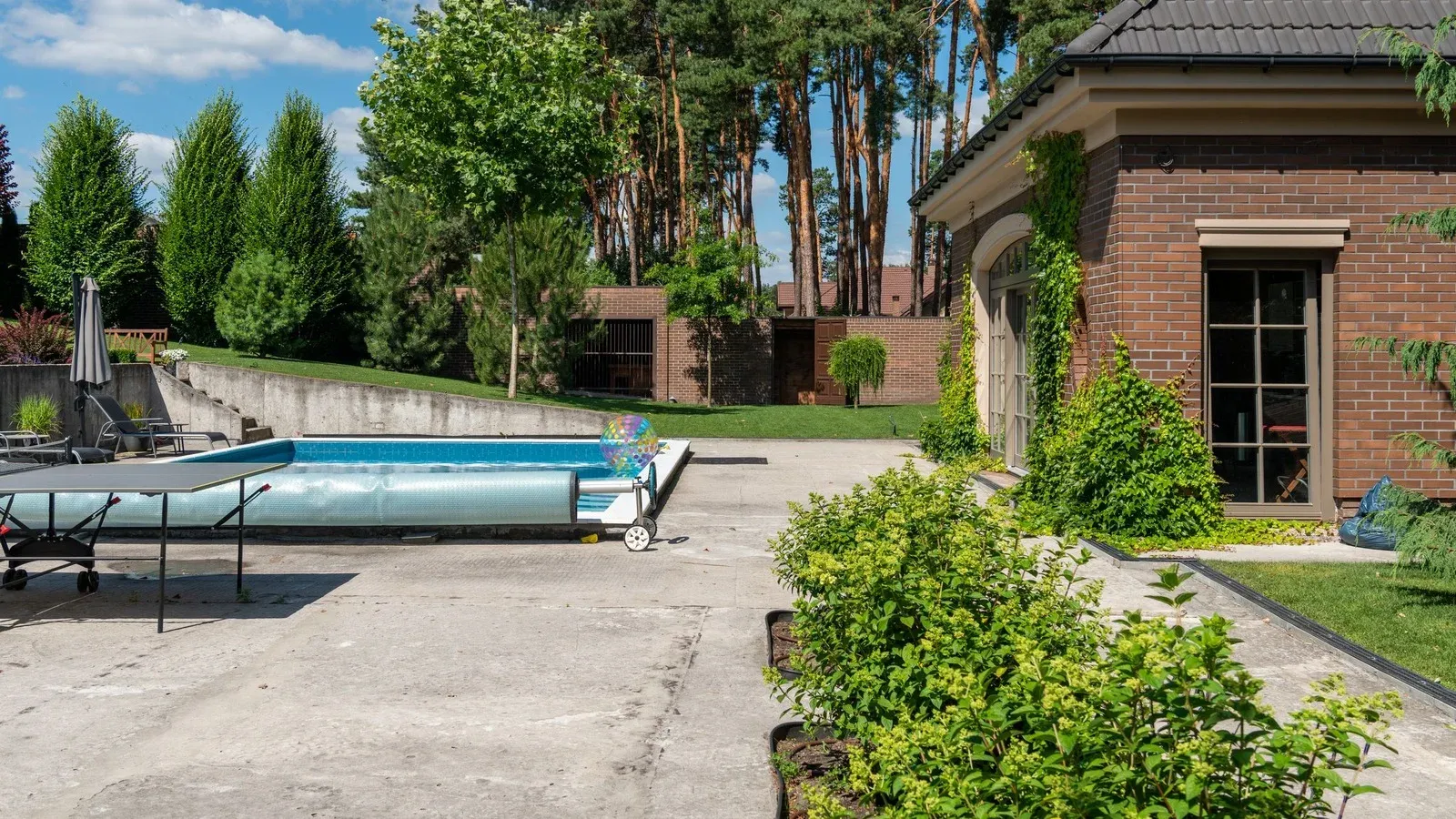
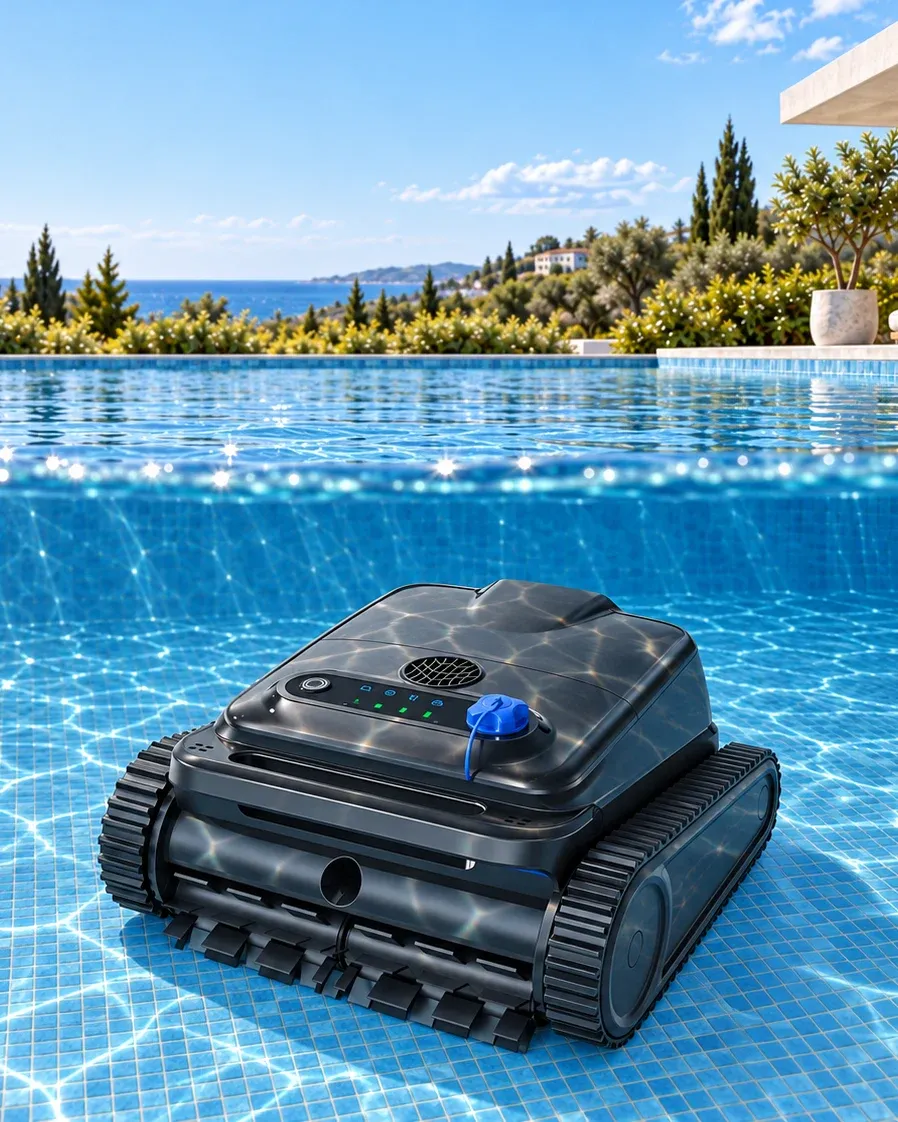
Ten Y50S robots ran for 1,100 hours in our life test, cycling 3 hours on, 1 hour off, against a target of 1,000. It's our best evidence that the motors, tracks and software last, and it says nothing about the battery, so judge those two things separately.
How the life test was set up
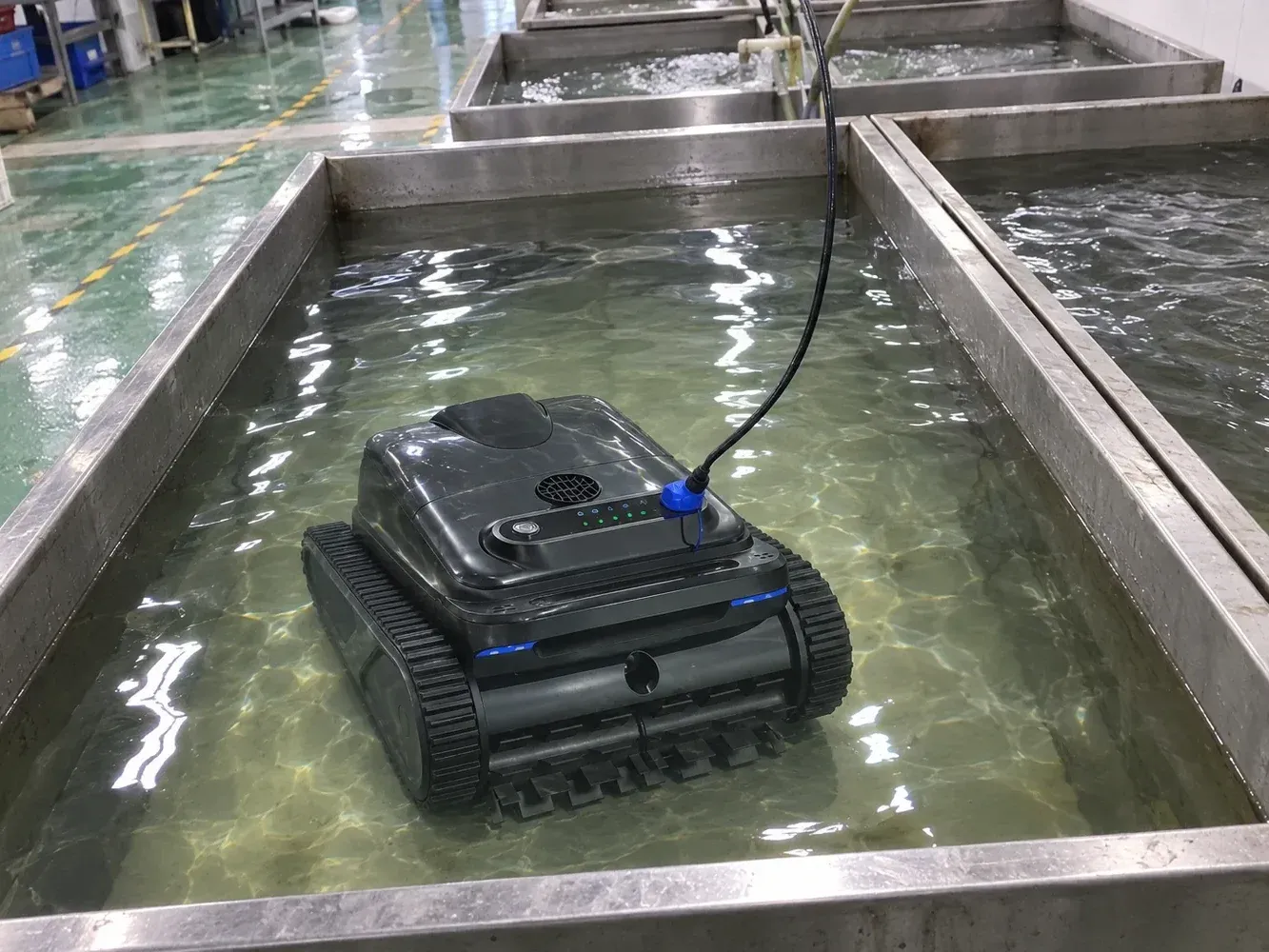
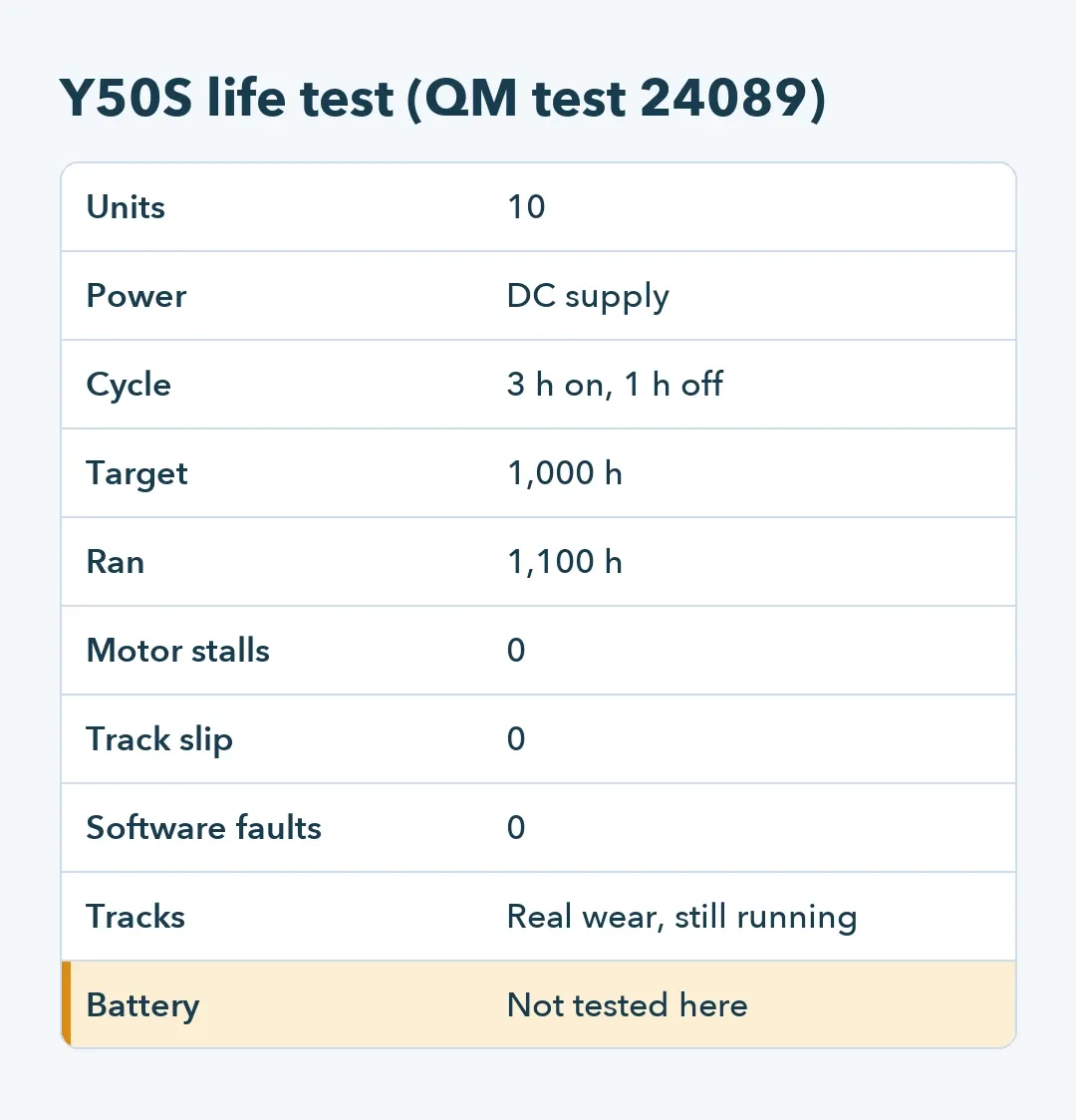
The test is part of the Y50S validation report (QM test 24089, Nov 2024 – Jan 2025). The 10 units ran on a DC supply in place of their batteries, so they could cycle around the clock without stopping to recharge. Each cycle was 3 hours of running and 1 hour of rest, and the run went past its 1,000-hour target to 1,100.
What held up and what wore
No motor stalled. No track slipped. No software fault appeared. Every unit was still running at the end.
The report records real wear on the tracks, in plain words. Tracks are a wear part, in the same family as brushes and filters. A pool robot with worn tracks needs a parts order; its working life isn't over.
What the test can't tell you
The DC supply is the catch. It's the right way to load motors, tracks and software for 1,100 hours, and it means no battery was charged or drained during the test. Two complaints show up in public owner reviews of cordless pool robots: the robot stops after a few months, or it runs a little shorter every summer. The second is a battery story, and this test can't speak to it.
How many seasons is 1,100 hours?
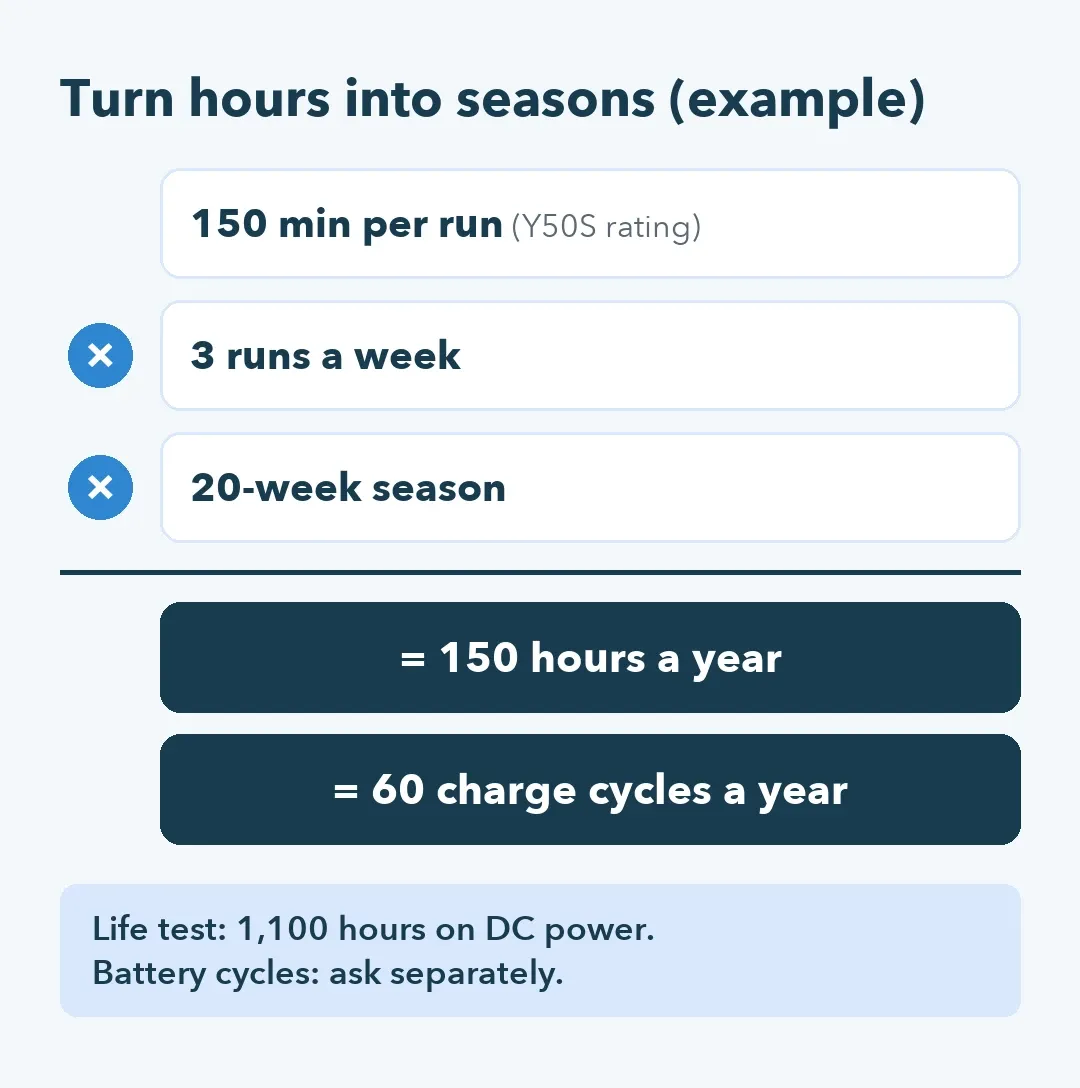
Work it out from your customers' pools. Say a Y50S runs its full rated 150 minutes three times a week through a 20-week season. That's 150 hours of running a year, and 60 charge cycles.
On motor hours, 1,100 covers several seasons of that use. It's still a bench result on DC power, without a summer of sun on the shell or a winter in a garage, so treat it as evidence about the drive system and nothing more.
Ask for battery life in cycles
Sixty cycles a season makes a battery's cycle rating more useful than any pool robot lifespan quoted in years. Ask for the cycle count and what it's measured to: so many full cycles until the pack still holds a stated share of its original capacity. Then ask whether the figure comes from the cell maker's data sheet or from a test on the finished pack. Our life test doesn't answer this, and we won't pretend it does.
Plan season two before you order season one
A fading battery shows up when the robot quits earlier in its second summer, and customers with big pools feel it first because their robot already needs most of its rated runtime. Buyers can order batteries and tracks on their own, so put a few spare packs and track sets on the first order for those customers.
When an owner reports a shorter run in year two, have your service desk ask how long the pool robot ran when new, how long it runs now and where it spent the winter. Those three answers go a long way toward separating a tired battery from a fault.
Your warehouse has a winter too. Pool robots that sit in stock through the off-season slowly lose charge, so top them up to part charge before the season opens. Put the same advice in the owner's manual: store the robot indoors, cool and dry, part-charged, and top it up halfway through a long off-season.
Want the life-test page itself? Ask for the Y50S life-test summary with your quote: units, cycle, hours and the track-wear note.
Written by the Silver Home R&D and quality team.