Oct 27, 2026Fabricación
Pruebas de caída: aprobar significa que el robot sigue limpiando
Los Y50S empacados superaron pruebas de vibración y caída con cajas abolladas, pero luego limpiaron normalmente en agua. Por qué ese debe ser el criterio de aprobación que solicite.
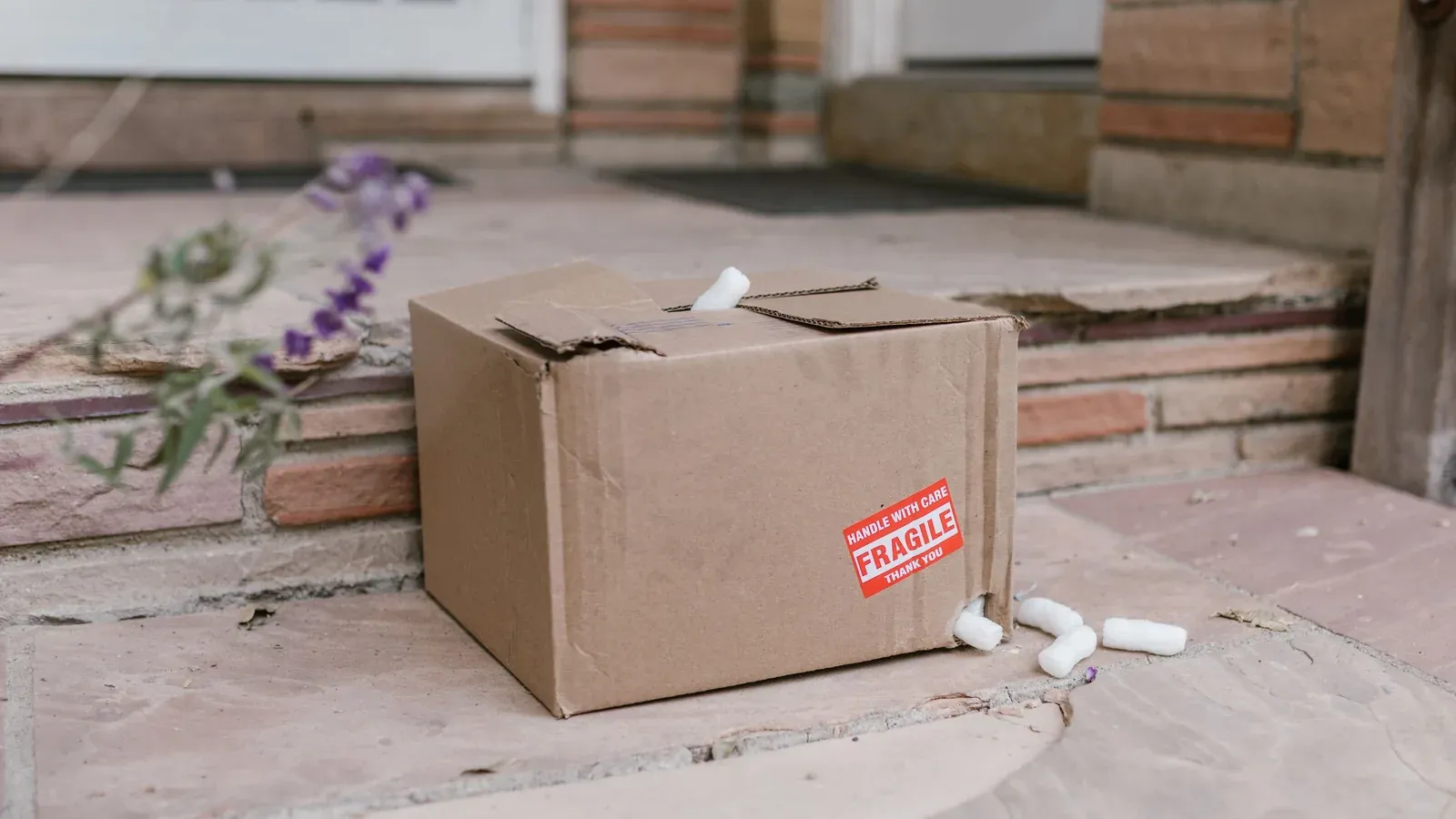
Our packed Y50S robots came out of vibration and drop testing in slightly dented color boxes, and we passed them. A packaging test counts only if the robot still cleans in water afterward, and that's the standard we'd hold any supplier to.
What we ran
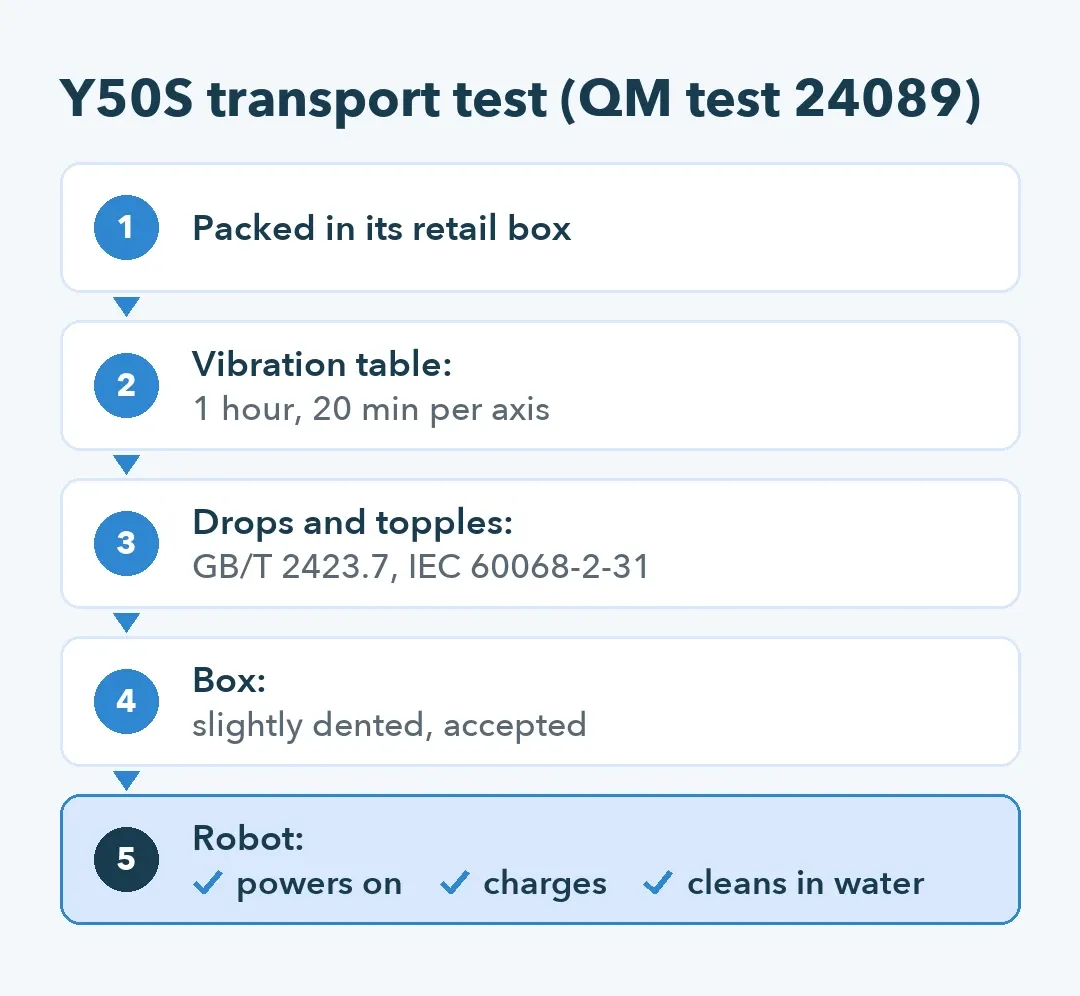
The test is part of the Y50S validation report (QM test 24089, Nov 2024 – Jan 2025). Boxed robots spent an hour on the vibration table, shaken for 20 minutes along each axis, which imitates the long, low shaking of a truck or a container at sea. Then the cartons were dropped and toppled under GB/T 2423.7 and IEC 60068-2-31, the Chinese and international versions of the same rough-handling test, where a package is dropped and toppled onto a hard floor.
What happened to the box and the robot
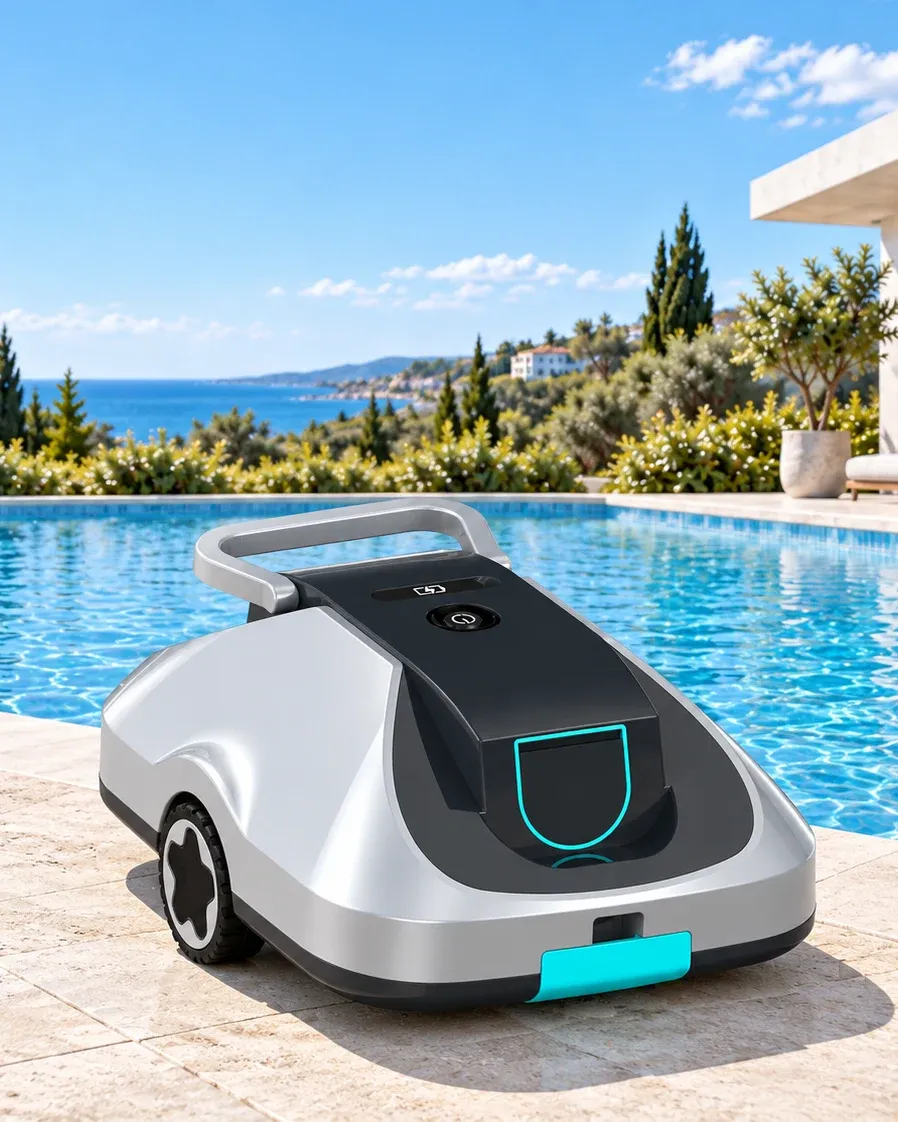
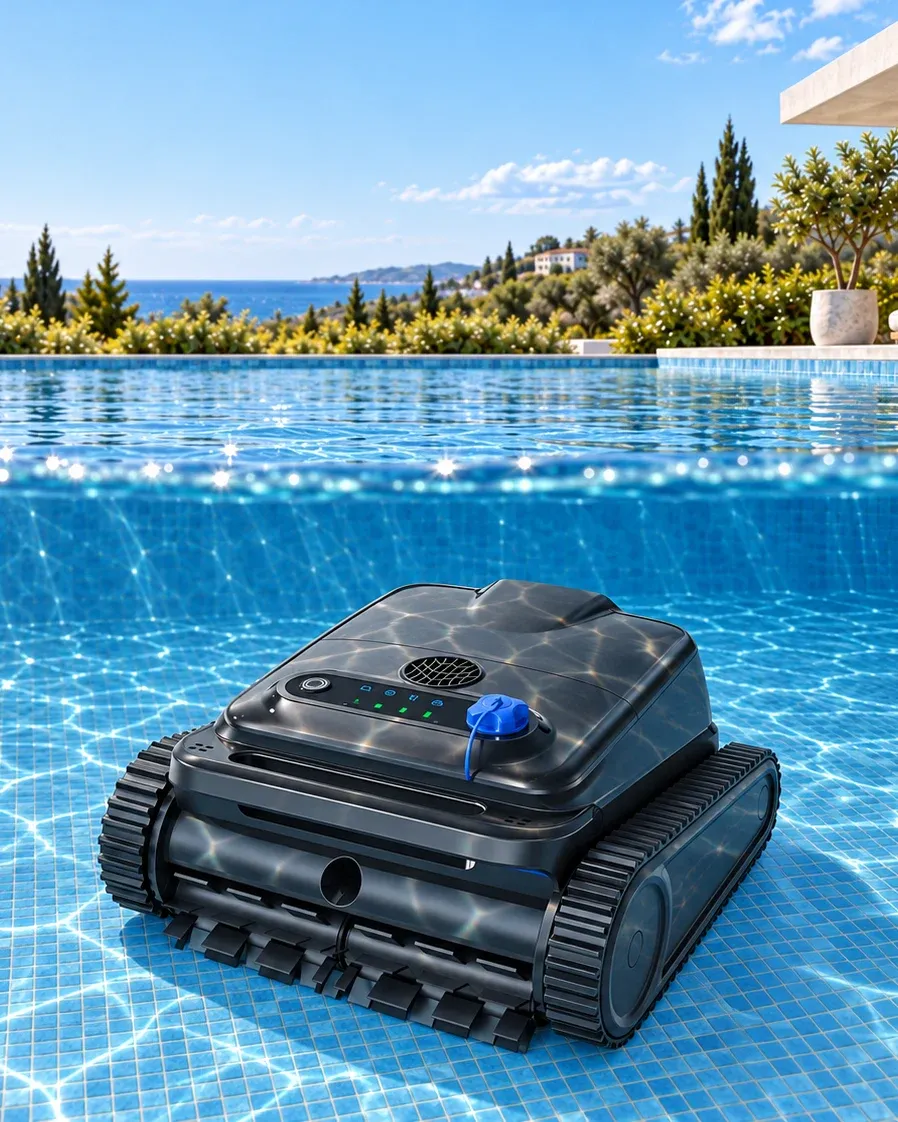
The Y50S color boxes came out slightly dented. Inside, every robot powered on, took a charge and cleaned normally in water.
We accepted the dents because the pass standard was written about the robot. Vibration loosens things slowly; a drop does it in one go. A test that checks only the carton, or only that the robot switches on, can miss a cracked bracket or a loose connector that shows up the first time the robot climbs a wall with a full filter basket.
How we judge a packaging result
In a drop, the battery and motors keep moving for a split second after the shell stops, and that's what loads the mounts and connectors. So the pool robot gets three questions, in order: does it power on, does it charge, does it clean in a tank? A box that looks perfect around a robot that fails the third question is a fail.
Before packing, every production robot already gets a run in a water tank. A robot that arrives dead tells you something happened between the packing table and the store, or that its battery is flat, so charge it fully before you log it as dead on arrival.
What should you ask a packaging supplier?
Ask what was checked after the drop. 'Powers on' is a weaker pass line than 'cleans in a water tank'. Ask for the second.
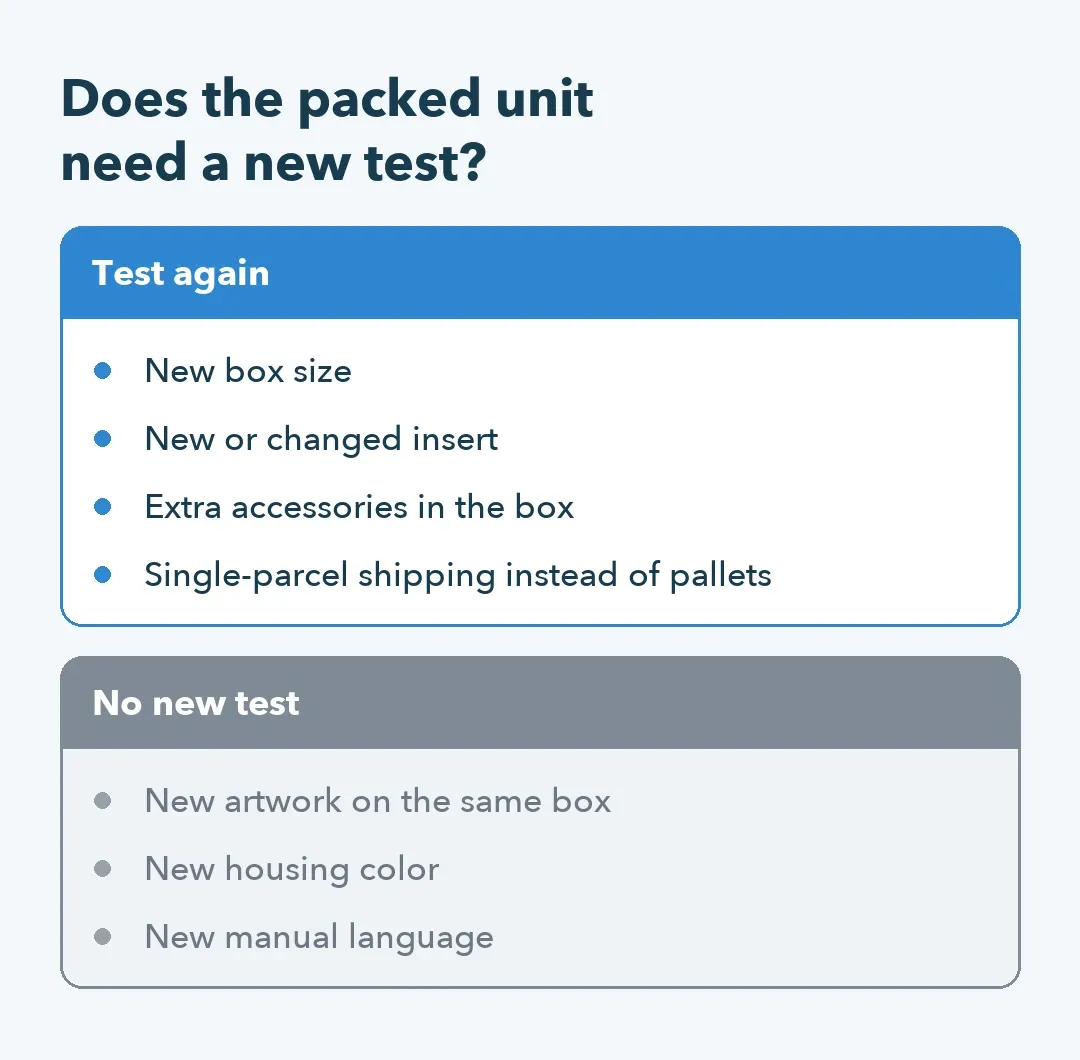
Ask when the test gets repeated. A private-label program changes the retail box. New artwork on the same box structure changes nothing about protection; a new box size, a different insert or extra accessories change how the robot is held, and that's when the packed unit should be tested again before mass production.
Container or parcel?
Say which before the packaging is designed. In a container, cartons travel stacked on pallets and get handled a few times. A pool robot sold online travels alone through a parcel network, sorted and restacked many more times before it reaches a doorstep, and a box that does well in a container can be too light for that.
On arrival, open cartons from the bottom of a stack and from the door end of the container, charge each robot and run it in a pool or tank before stock goes to stores. If one fails, keep the carton and inserts and photograph them before anything is thrown away. That's how you and your supplier tell a packaging problem from a faulty unit.
Ask for the transport-test page from the Y50S report with your quote. It sets out the axes, the drop standards and the pass line in writing.
Written by the Silver Home R&D and quality team.