Oct 27, 2026Fabricación
UN38.3 responde una pregunta: ¿se puede transportar?
UN38.3 informa al agente de carga si una batería de litio puede transportarse. Qué cubren las ocho pruebas, qué dejan fuera y cómo comprobar que los documentos corresponden a la caja enviada.
Every Silver Home product page lists the same two shipping documents: UN38.3 battery test reports and an MSDS. A UN38.3 report answers one question, whether a lithium battery can travel, so use it to book freight and look for charging safety in other tests.
What does UN38.3 actually test?
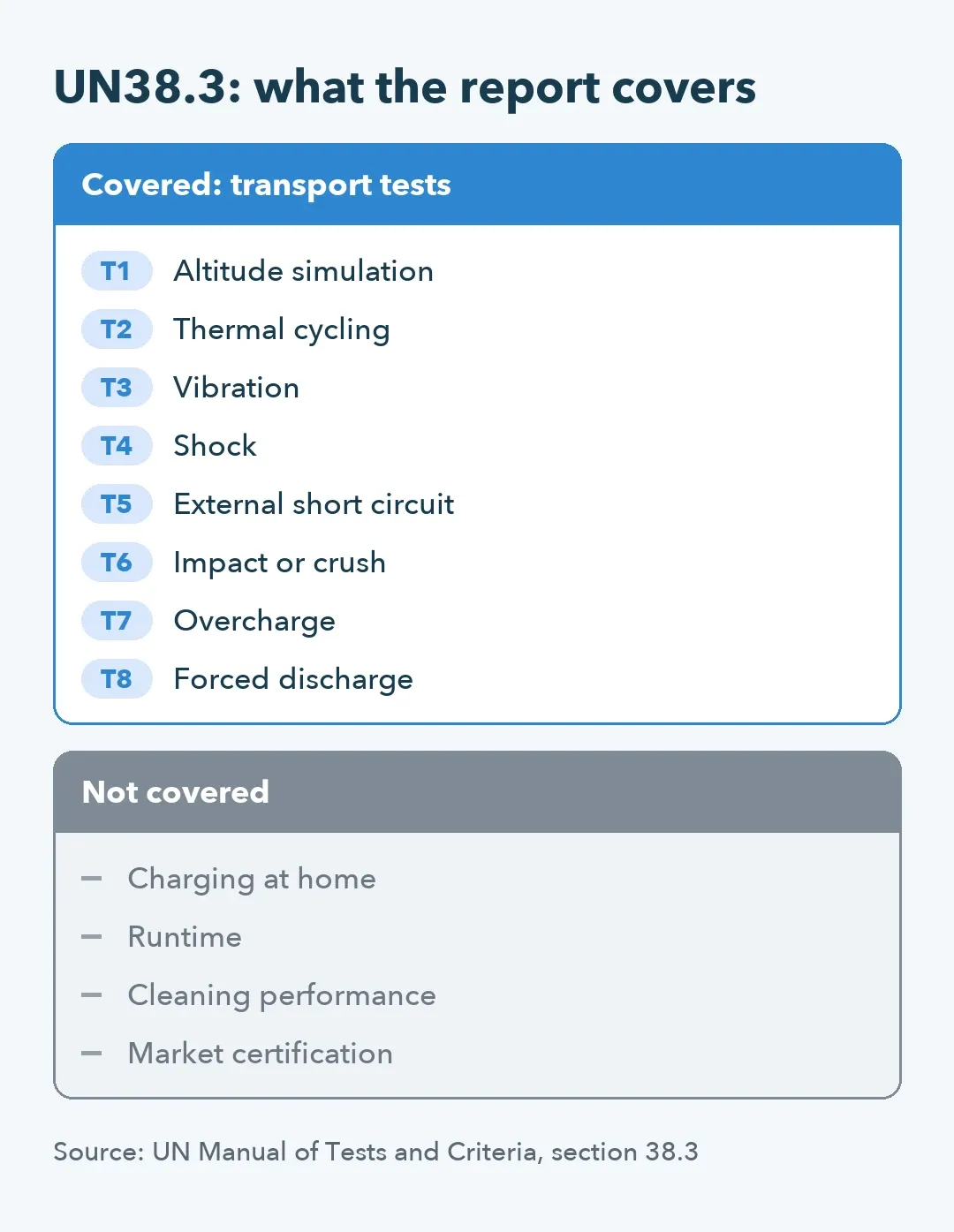
Section 38.3 of the UN Manual of Tests and Criteria sets eight transport tests for lithium cells and batteries, T1 to T8: altitude simulation, thermal cycling, vibration, shock, external short circuit, impact or crush, overcharge and forced discharge. A pass means no leaking, venting, breaking apart or fire, and in the first four tests the voltage has to hold. Each test imitates something that happens to a battery in transit.
Charging a pool robot in a hot garage isn't on the list. Neither is runtime, or how clean the pool floor gets.
When the battery model doesn't match
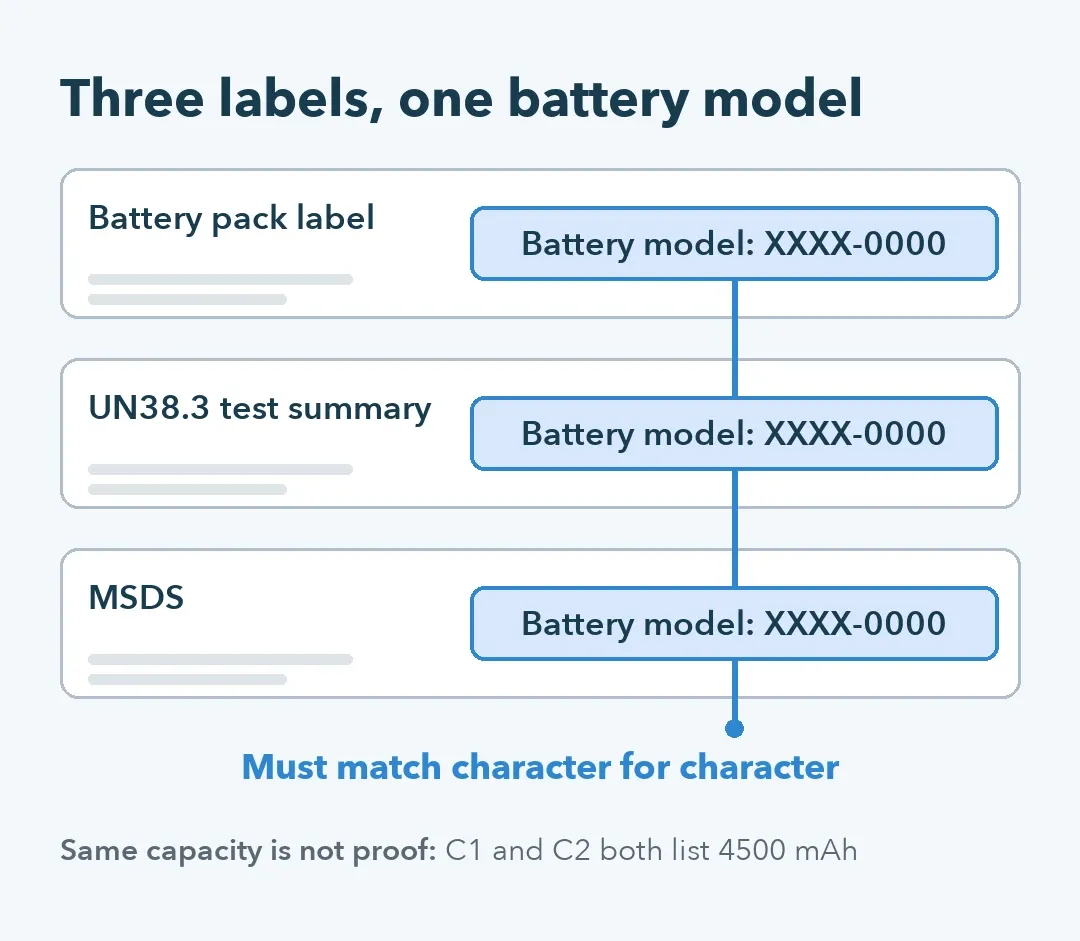
A UN38.3 report covers one battery design: its cells, its capacity and the way the pack is built. Change any of those and the old report stops applying, which is why a capacity upgrade halfway through a program needs new paperwork before the next booking. Before you book, put three labels side by side: the battery model on your sample's pack, on the UN38.3 test summary and on the MSDS. They should match character for character.
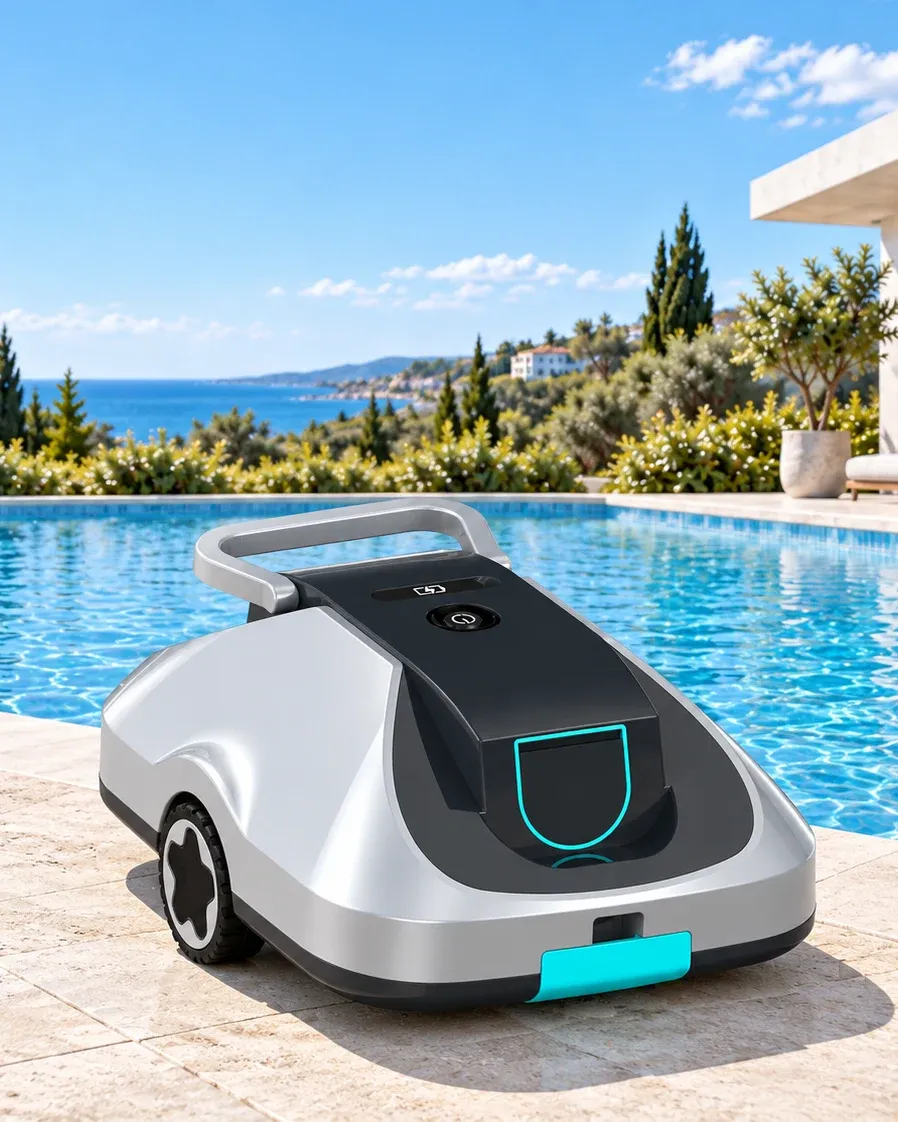
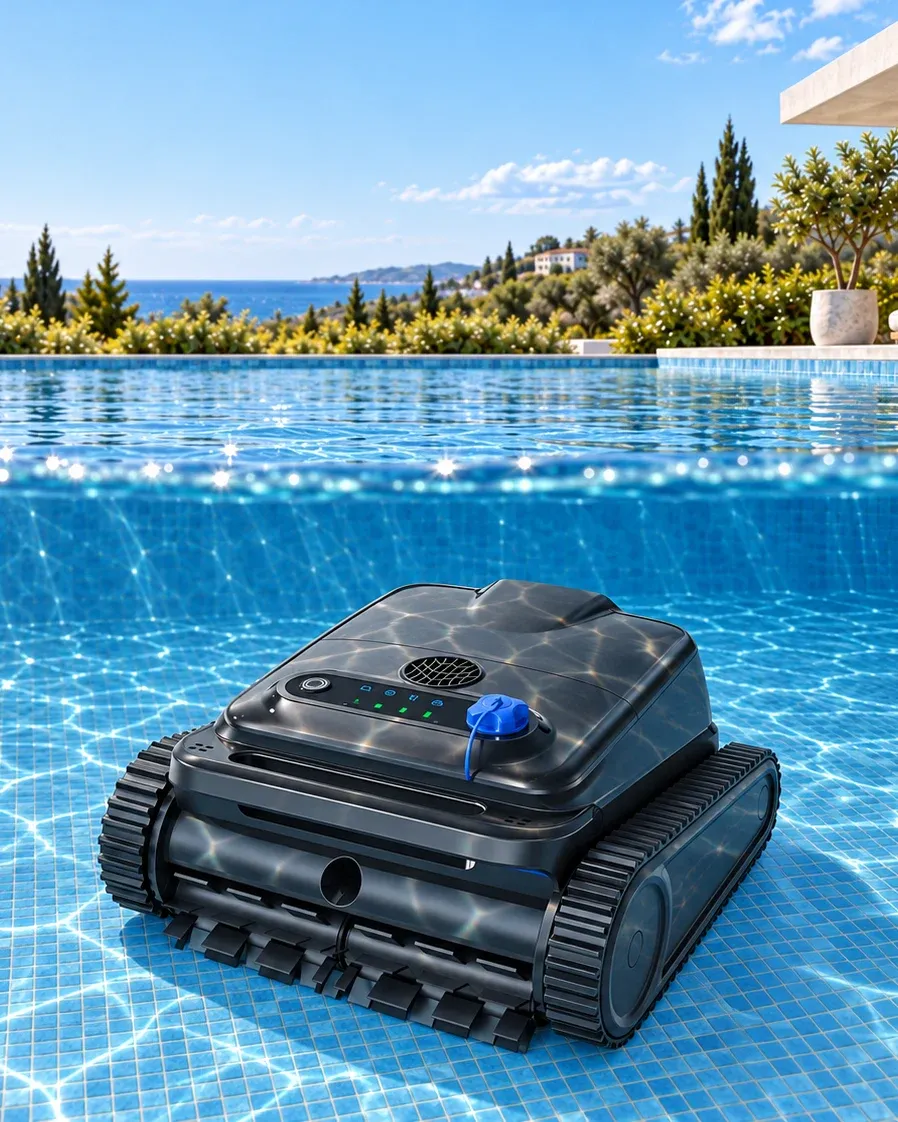
Capacity alone won't settle it. Our Y20 runs on a 2600 mAh pack and our Y50 on a 10400 mAh one, so those papers are easy to tell apart. The C1 and C2 both list 4500 mAh on their product pages, and equal capacity still doesn't prove two robots share a battery model.
Report or test summary: which will they ask for?
Start with the test summary. Since 2020, the UN Model Regulations have required makers and distributors of lithium cells and batteries to make a UN38.3 test summary available. It's a short document: who made the battery, which lab tested it, the report number and date, a description of the battery and the result of each test. Keep the full report on file behind it in case a forwarder or a customs broker wants the detail.
Where does the MSDS fit in?
The MSDS, which the UN's Globally Harmonized System calls a safety data sheet (SDS), describes the battery's chemistry and hazards and what to do in a fire or a leak. The forwarder uses it to classify the shipment, and your warehouse uses it to decide where the pallets of pool robots go. It names a battery model too, so it belongs in the same three-way check.
Sea freight and air freight
Lithium batteries are Class 9 dangerous goods at sea and in the air. By sea, under the IMO's IMDG Code, the forwarder checks the test summary and MSDS before the shipping line accepts the booking, and decides from them whether a dangerous-goods declaration is needed. By air, under IATA's Dangerous Goods Regulations, the battery's watt-hour rating decides how much paperwork and labeling the cartons need, and each handover brings another document check.
The UN38.3 summary and MSDS are the same either way. What changes is how many people read them.
Does a spare battery ship on the same papers?
Same battery model, same UN38.3 summary and MSDS. The difference is the classification. A battery shipped on its own has a different UN number from one installed in a pool robot, and the rules for it are tighter, by air above all. If you add spare batteries to a robot order, tell your forwarder before booking so both lines are classified.
Booking your first container? Ask us for the UN38.3 test summary and MSDS for every model on the order, and check the battery model on all three labels before your forwarder does.
Written by the Silver Home R&D and quality team.