Oct 27, 2026Guida all’acquisto
Certificazioni dei robot: parta dal modello
CE, UKCA, FCC, SAA, KC e CB per mercato: perché ogni certificato copre un modello e un caricabatterie e cosa cambia con il marchio proprio.

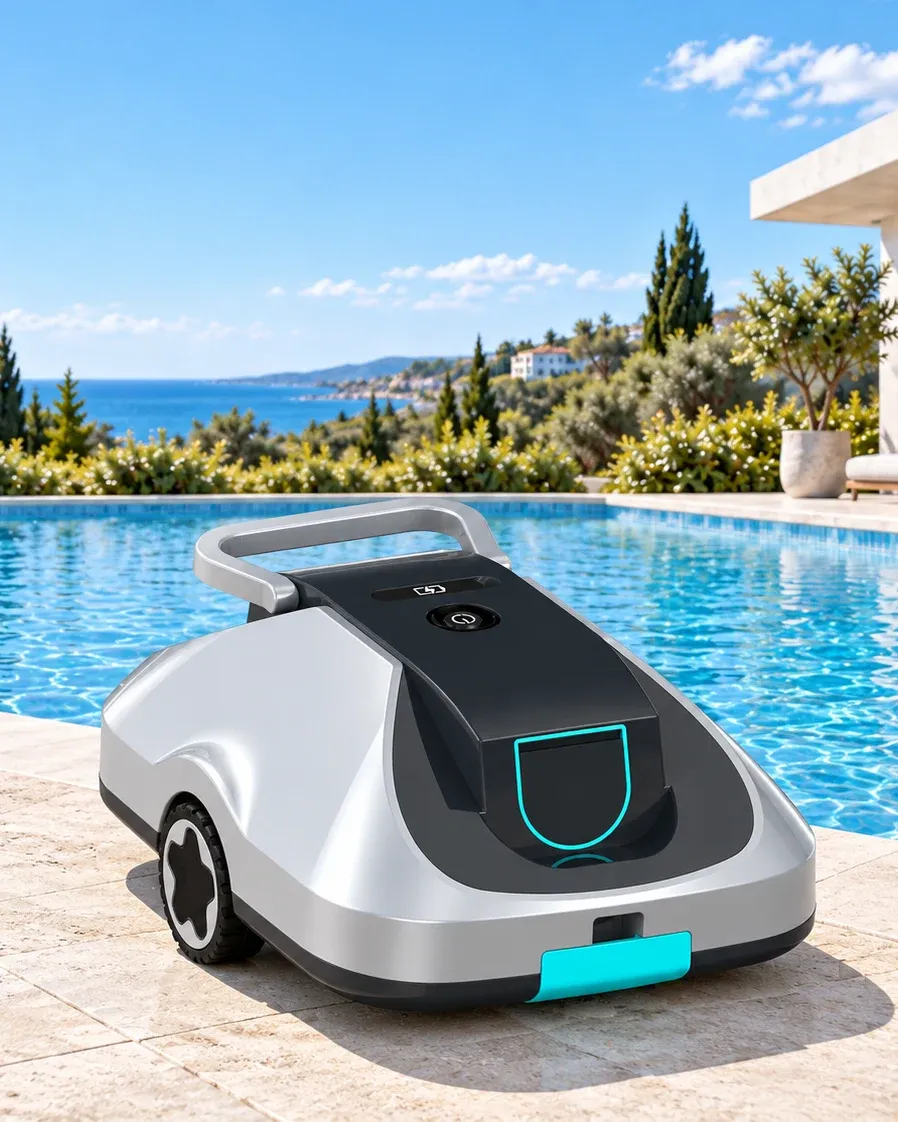
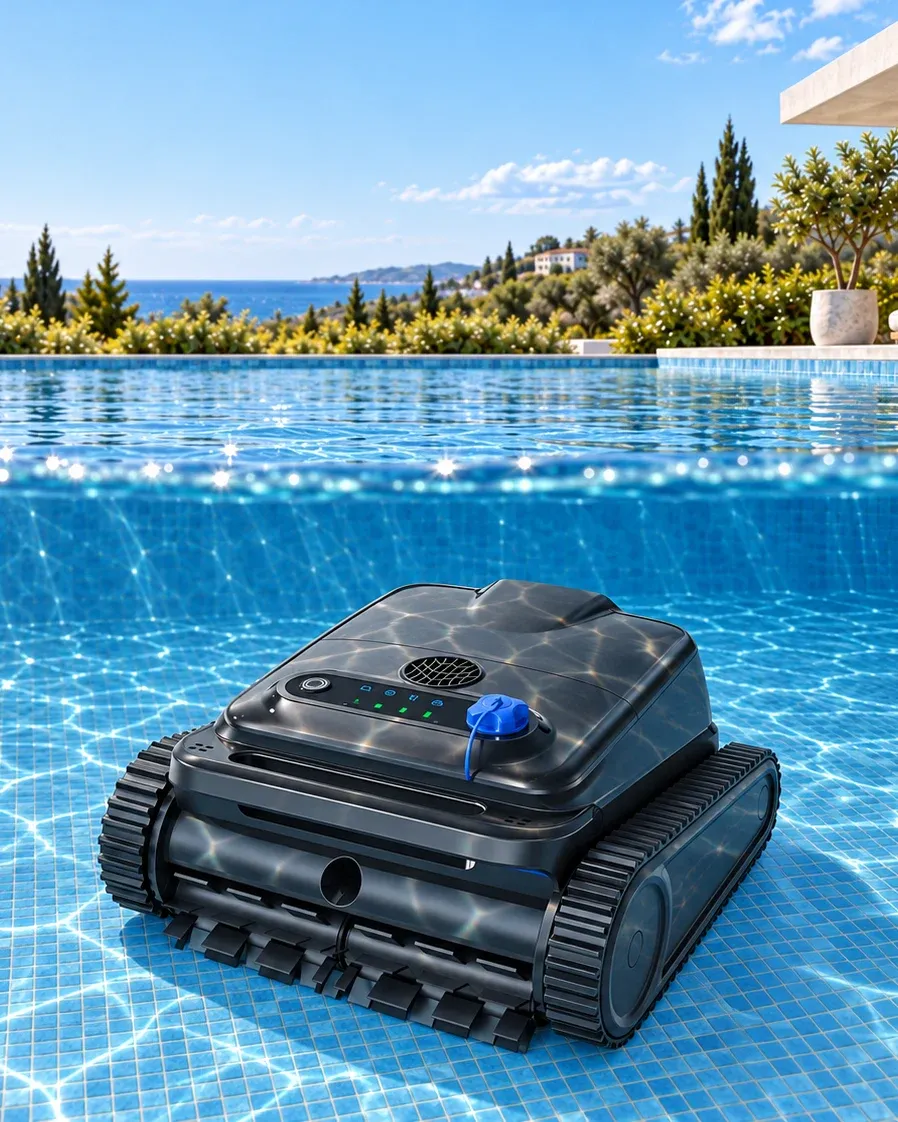
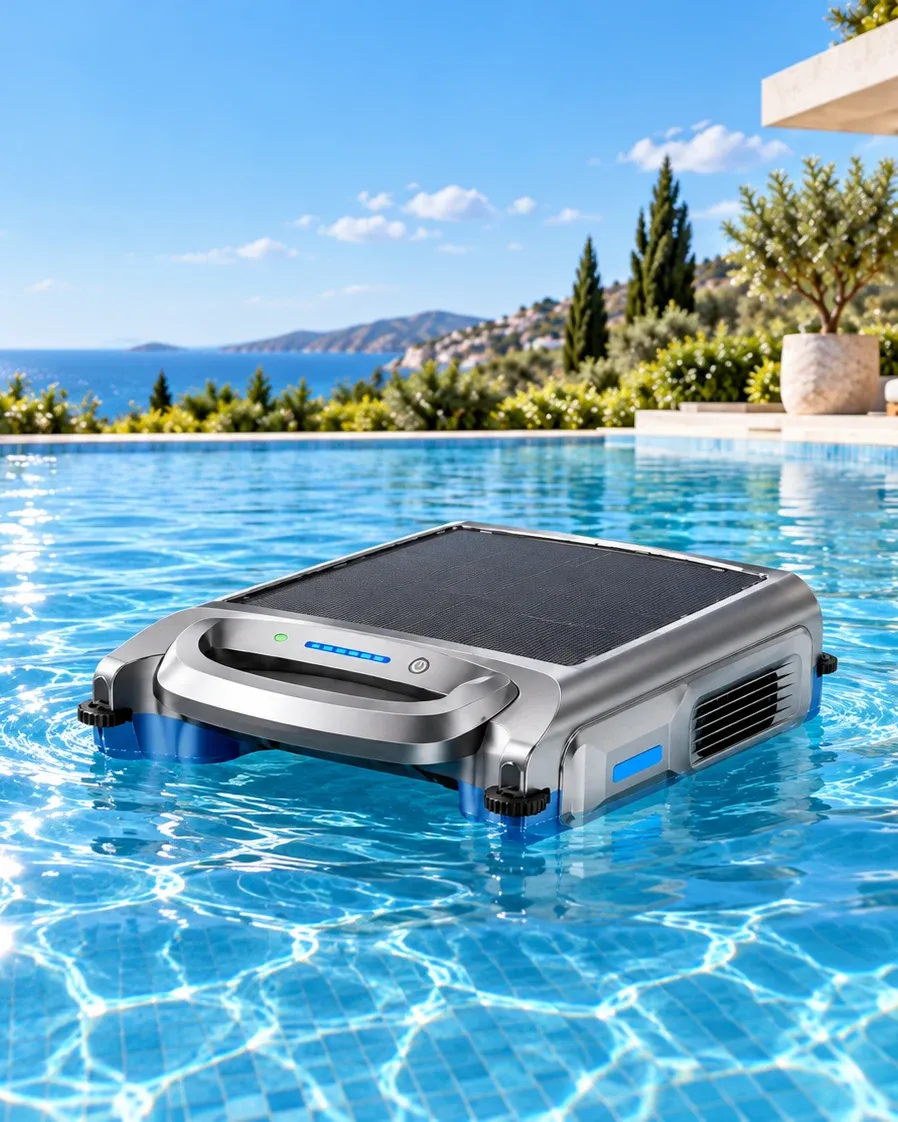
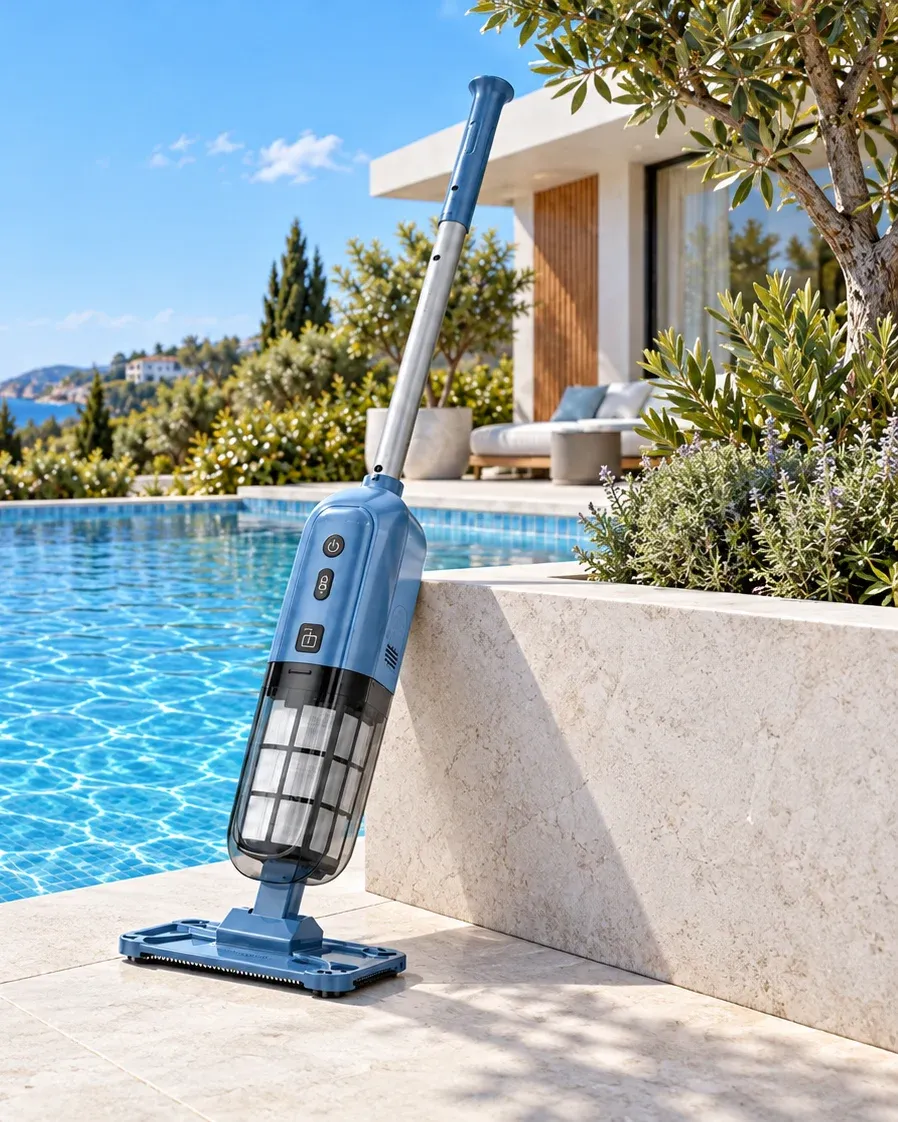
We answer pool robot certification questions model by model, because every certificate is issued per model. So “Do you have CE?” has no yes-or-no answer from us. The useful question names the exact model and the country it's going to.
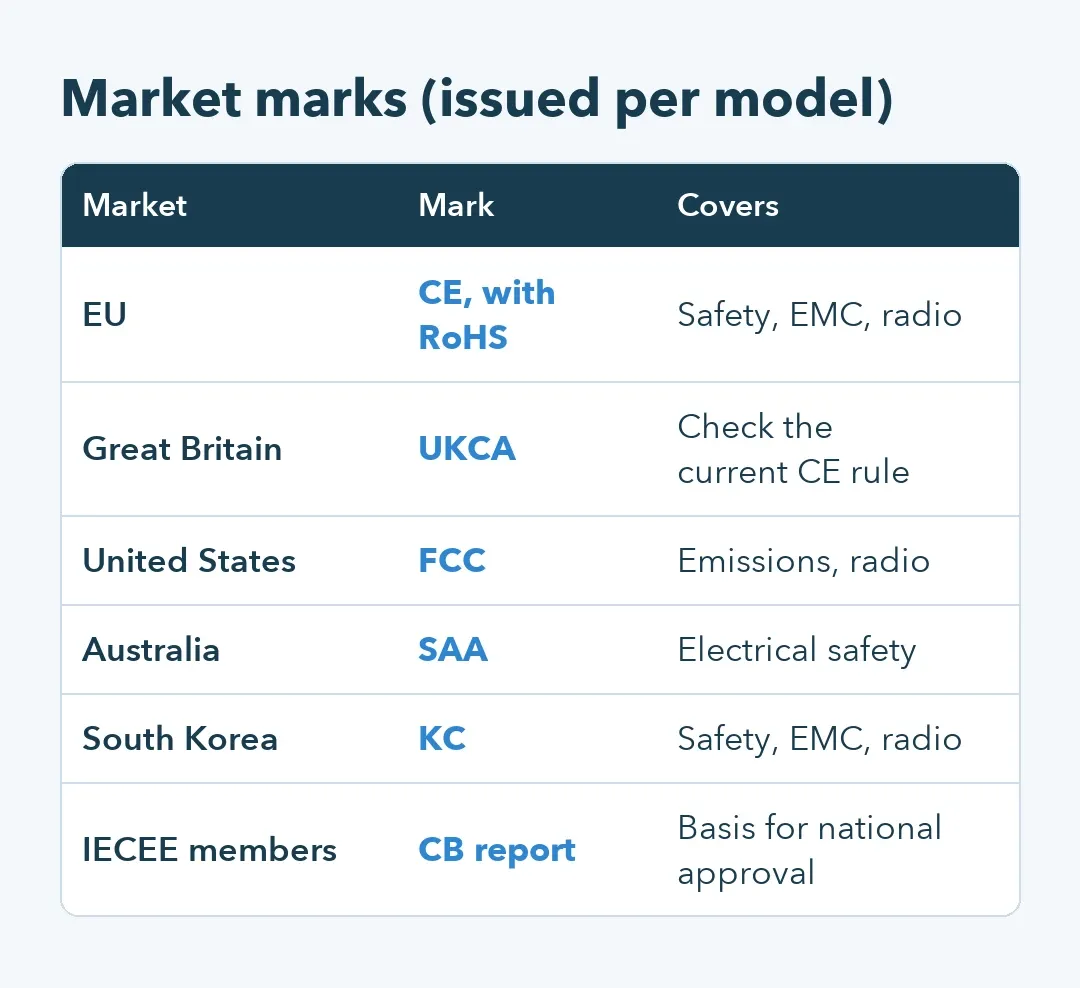
Which marks does each market expect?
In the EU, a pool robot and its charger carry the CE mark. The Low Voltage Directive covers the mains charger and the EMC Directive covers interference; any model with an app or remote also falls under the Radio Equipment Directive. RoHS limits hazardous substances under the same marking. In the US, FCC rules cover electronic emissions, and radio models need FCC equipment authorization.
South Korea's KC mark covers safety and EMC, with radio approval from the National Radio Research Agency on top. In Australia, SAA approval covers electrical safety, and under the Electrical Equipment Safety System the responsible supplier of mains gear such as the pool robot charger has to be an Australian or New Zealand business registered on its national database.
Great Britain sets its own timetable
UKCA is Great Britain's mark. The UK government has extended its acceptance of CE marking more than once, so confirm the current rule for your pool robot model with your compliance adviser before the box artwork is final.
Is a CB report enough on its own?
No. The IECEE CB Scheme lets a test report to IEC standards, such as IEC 60335 for household appliances, serve as the basis for national approval in member countries. That saves testing the same pool robot twice.
You still need each national mark, and the report has to cover the exact pool robot model and charger you ship.
A standard defines a test; a certificate records that one sample, in one configuration, passed it. Our company helped write one: we're one of 11 drafting units of GB/T 4214.17-2024, China's national standard on noise testing for household cleaning robots.
The charger is the part that breaks a file
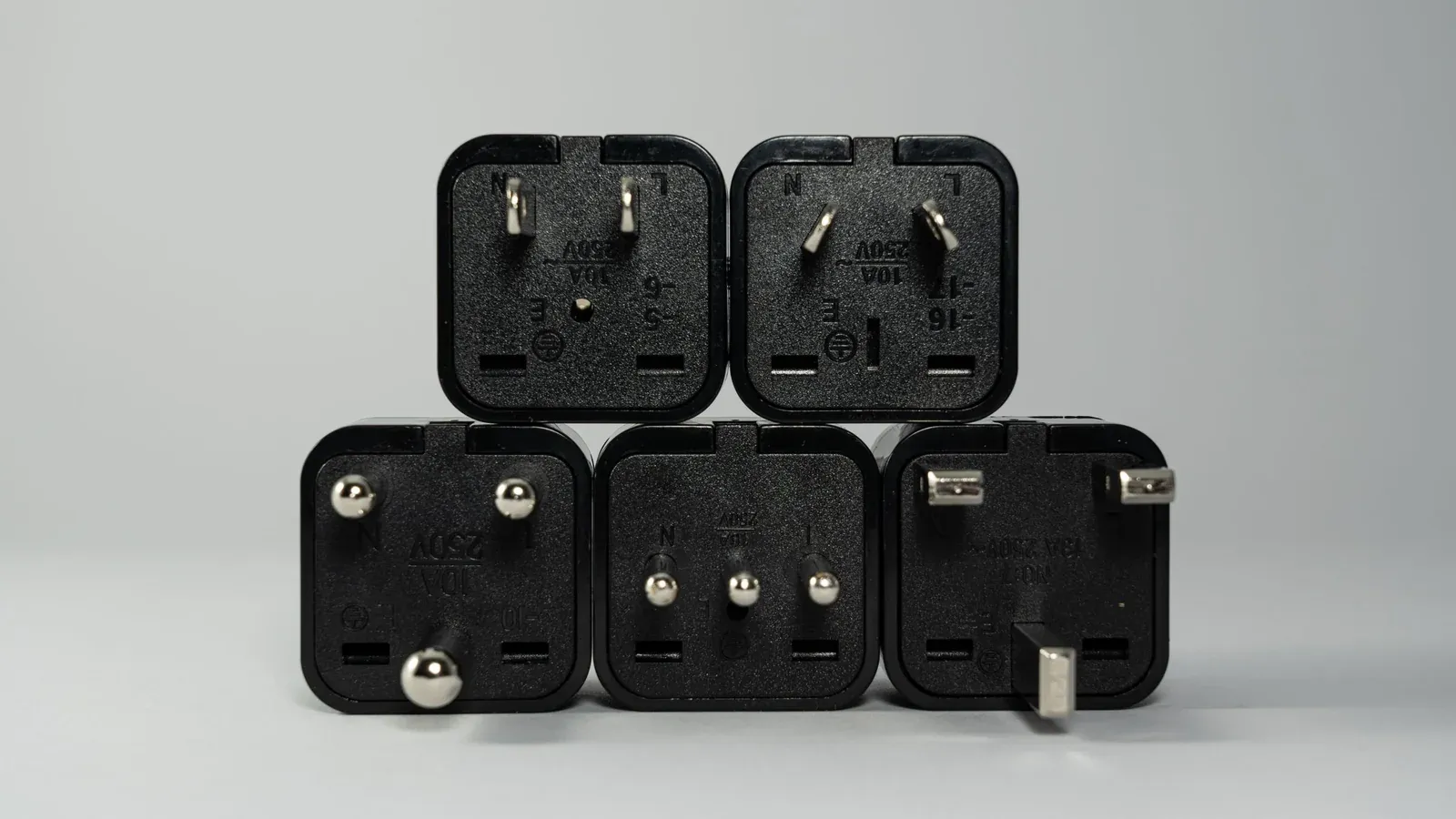
Change the motor, the battery, the radio module or the charger, and an old report can stop covering the robot. The charger is the easy one to miss. A pool robot sold in four markets ships with four plug types, and sometimes four charger versions. A file for the EU charger says nothing about the Australian one. Ask for the document list per model and per charger version, then check that the charger in your sample box carries the model number shown in those documents.
Does our brand need its own declaration?
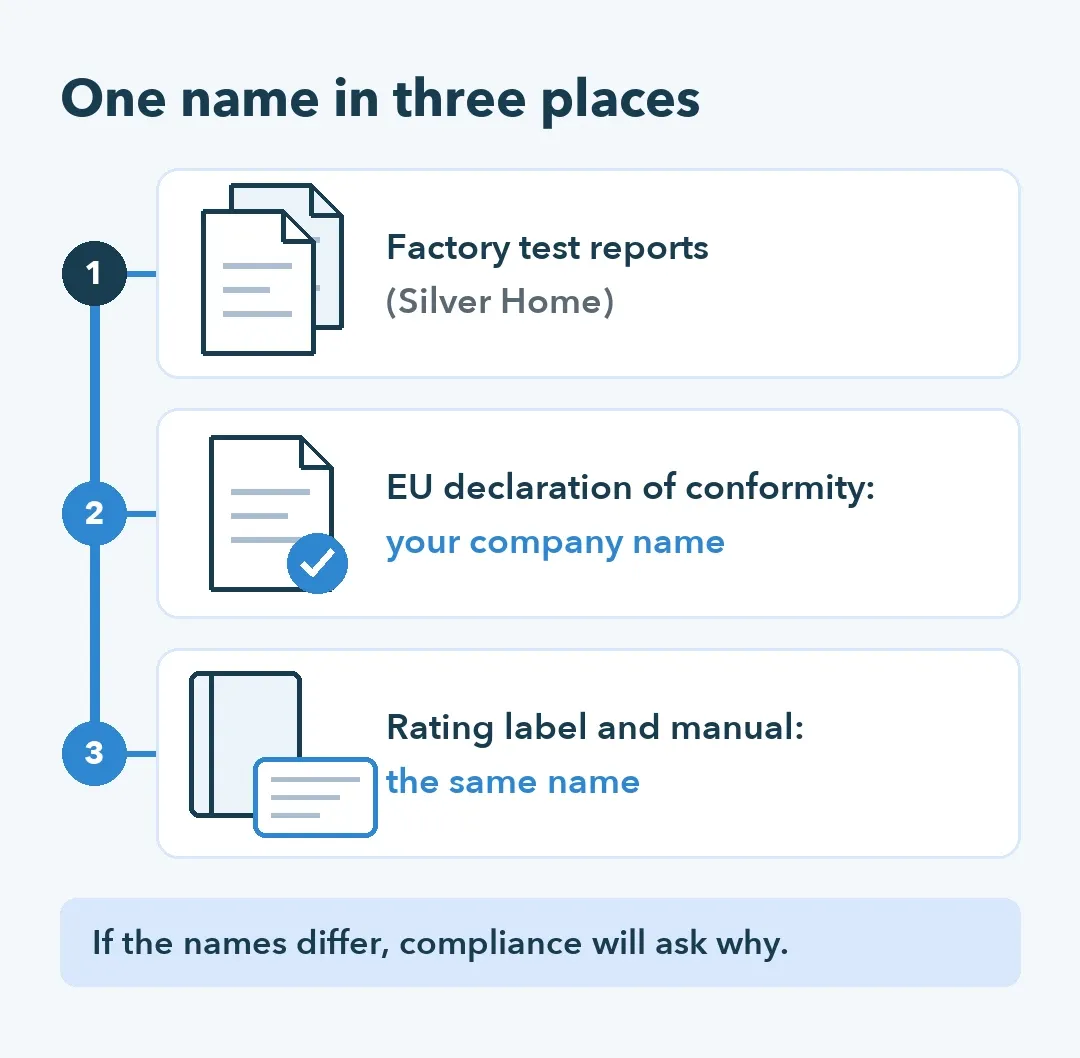
In the EU, yes. Under the EU's General Product Safety Regulation, a company that markets a product under its own name or trademark counts as its manufacturer, so the declaration of conformity carries your name. The EU's Market Surveillance Regulation also requires an economic operator based in the EU for CE-marked electrical products such as a pool robot. The factory's test reports for your model are the starting point for that file. Before launch, check that the rating label and the manual name the same company as the declaration.
What does a recall notice look at?
The failure in the product. When the U.S. Consumer Product Safety Commission announced the March 2025 recall of about 32,000 cordless pool robots, the notice set out the hazard, charging adapters that could overheat, and the remedy. It named the company that distributed the robots. Under private label, that company is you, so keep the brand on the rating label and the paperwork in line from the first order.
Name the pool robot model and the country in the form, and we'll send that model's document list for that market.
Written by the Silver Home R&D and quality team.