Oct 24, 2026News & Insights
UN3481 Rules for Pool Robot Spare Batteries
Since 1 January 2026, IATA requires spare lithium batteries packed with equipment over 2.7 Wh to fly at 30% charge or less. What changes for pool robots.
If you fly spare pool robot batteries in the same box as the robots, the rules changed on 1 January 2026. Under the 67th edition of the IATA Dangerous Goods Regulations, lithium-ion batteries packed with equipment, shipped as UN3481, must travel by air at a state of charge of 30% or less when each battery is rated above 2.7 Wh. For batteries inside the robot, 30% stays a recommendation.
That sounds like a forwarder's problem. It's actually a factory instruction, and it has to be written into the order before the batteries are charged and packed.
UN3481 vs UN3480: which applies to a pool robot shipment?
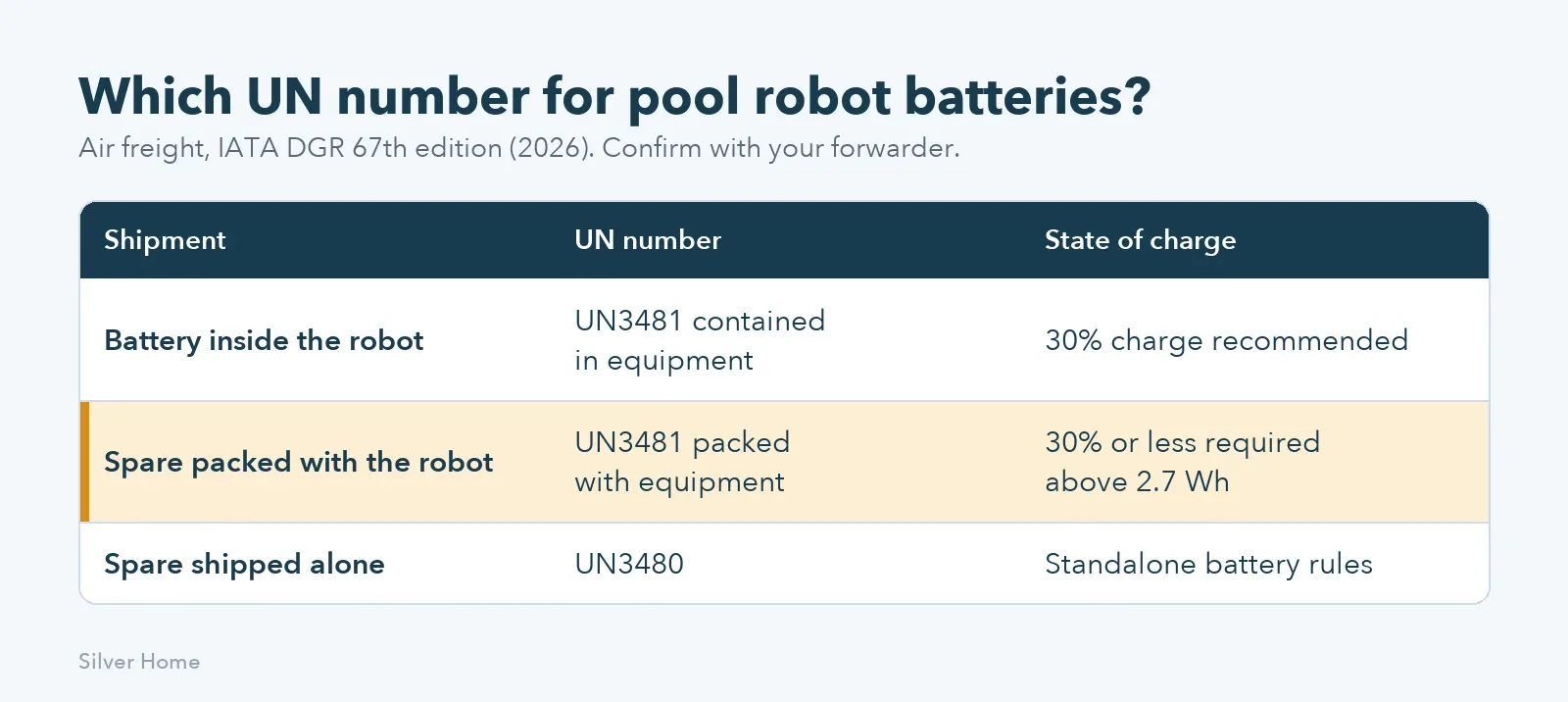
A cordless pool robot with its battery installed ships as lithium-ion batteries contained in equipment, UN3481. A spare battery packed in the same carton as the robot it powers ships as lithium-ion batteries packed with equipment, also UN3481, under a different packing instruction. Spare batteries shipped on their own, with no robot, are standalone lithium-ion batteries, UN3480.
The 2026 change targets the middle case: spare batteries packed in the same carton as the robot they power. Spares in separate cartons in the same shipment can fall under a different classification, so give the forwarder the exact packing configuration and get the classification confirmed before booking.
What are the UN3481 shipping requirements now?
For packed-with-equipment batteries above 2.7 Wh, the limit is a state of charge of 30% or less. For contained-in-equipment batteries, IATA continues to recommend 30%, but it isn't mandatory.
This is an air rule. Sea freight runs under its own dangerous-goods code, so check the sea requirements separately with your forwarder rather than assuming the air limit applies.
We read the change through carrier and specialist guidance; confirm the exact wording against the current IATA edition with your forwarder before you ship.
Lithium battery air freight starts on the factory line
Because state of charge is set at the factory. Batteries are charged, checked and packed on the line. If nobody tells the factory that spares will fly packed with equipment, they may leave the line at a higher charge level and the shipment can stop at the airport.
It also affects what your customer finds on arrival. A spare battery at 30% or less needs a full charge before first use. Put that line in the quick-start card so a retailer or pool owner doesn't read a low battery as a fault.
Finally, it affects your documents. Each battery model needs its UN38.3 test report and safety data sheet, and air freight adds dangerous-goods paperwork and labels. If the cell or pack changes, the documents change with it.
How should you order spare batteries with the first run?
Decide the shipping mode for the spares when you place the order, not when the goods are ready. Tell the factory whether spares will travel inside robot cartons, in separate cartons in the same shipment, or on their own.
Ask the factory how it sets and records state of charge for spares, and request that record with the packing list.
Check whether your forwarder needs the battery watt-hour rating on the commercial invoice or packing list, and get it from the battery label, not a sales sheet.
Plan the first-charge instruction for spares in the manual and on the spare's own box.
A checklist for your forwarder
Send the forwarder five things before booking: the UN38.3 test report for each battery model, the safety data sheet, the battery watt-hour rating taken from the battery label, how the spares are packed (inside robot cartons or separately), and the factory's state-of-charge record for the spares.
Ask the forwarder to confirm the UN number and packing instruction they'll declare, and the labels they need on each carton. Get that confirmation in writing and share it with the factory, so packing and labelling match the declaration.
If a battery model changes after your sample order, treat the shipment as new. The documents, the watt-hour rating and possibly the packing instruction can all change with it.
How we test this at our Changzhou factory
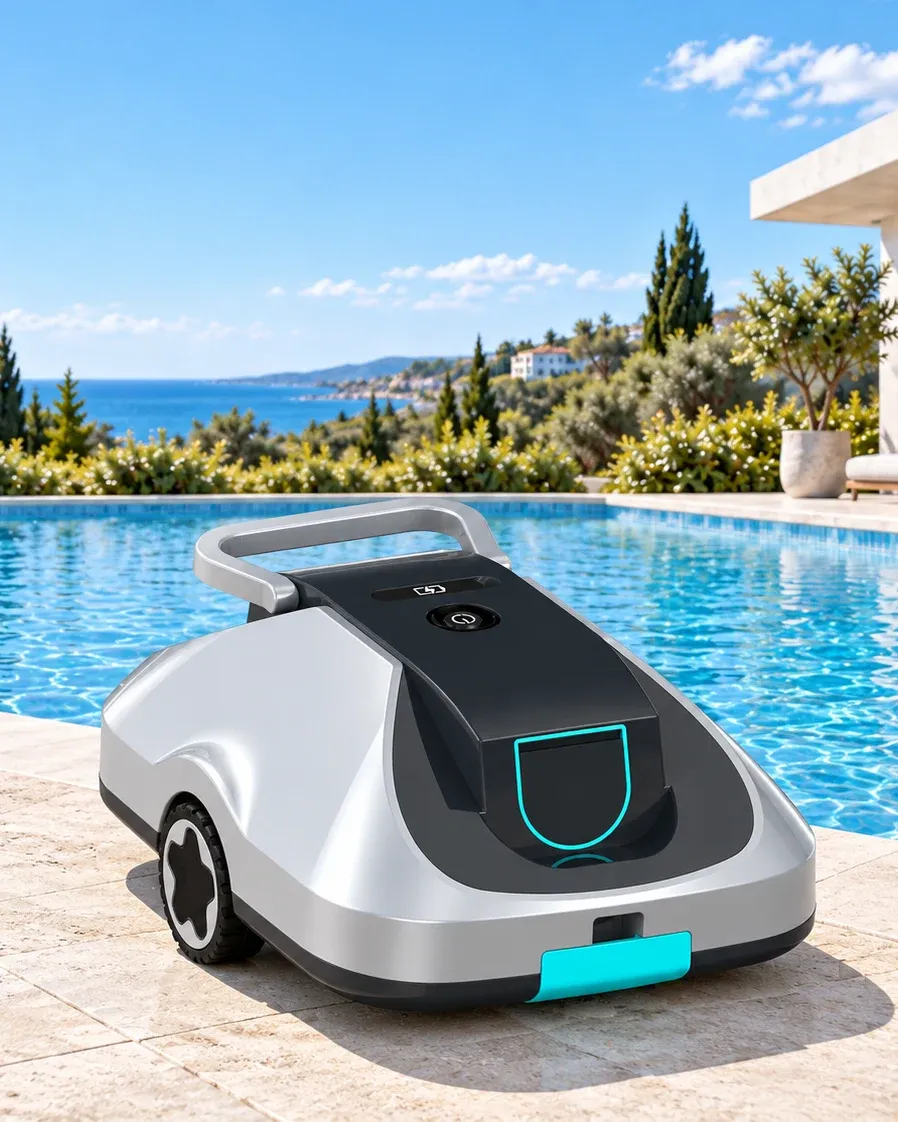
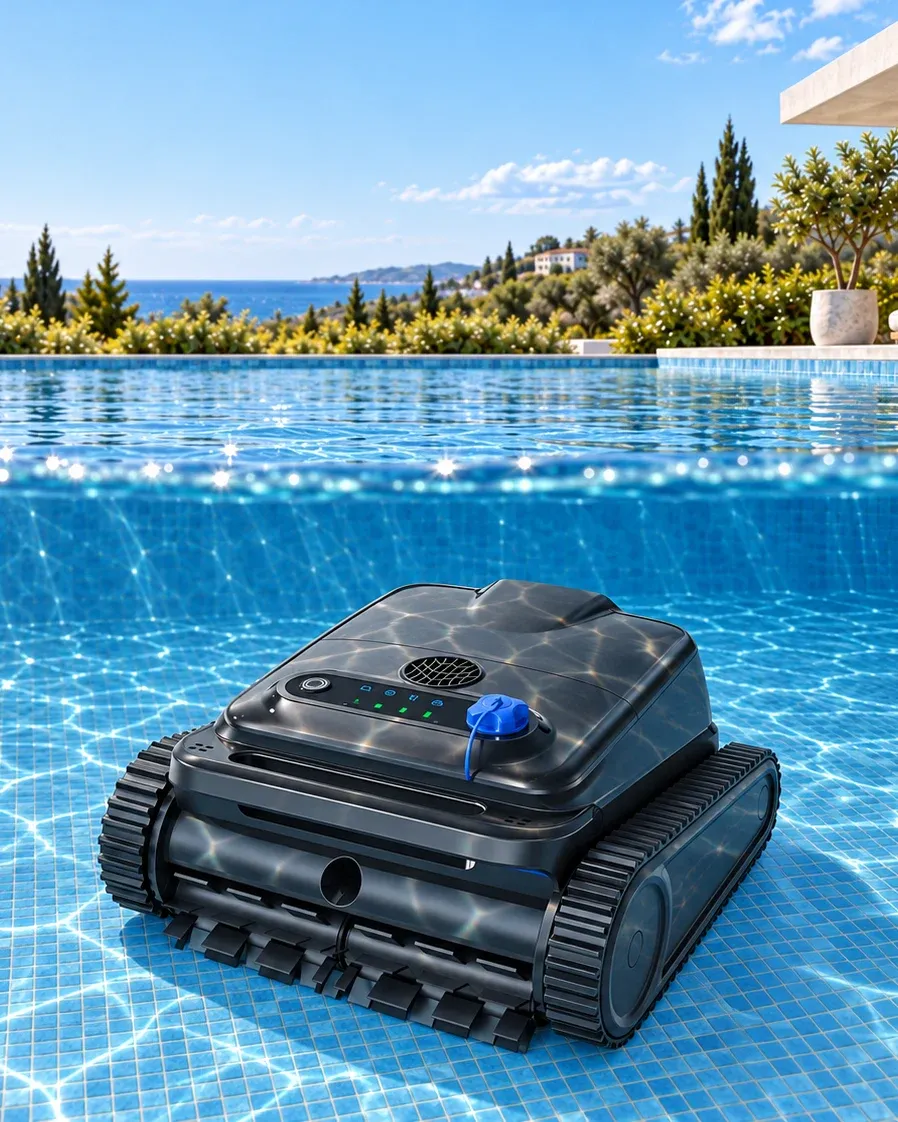
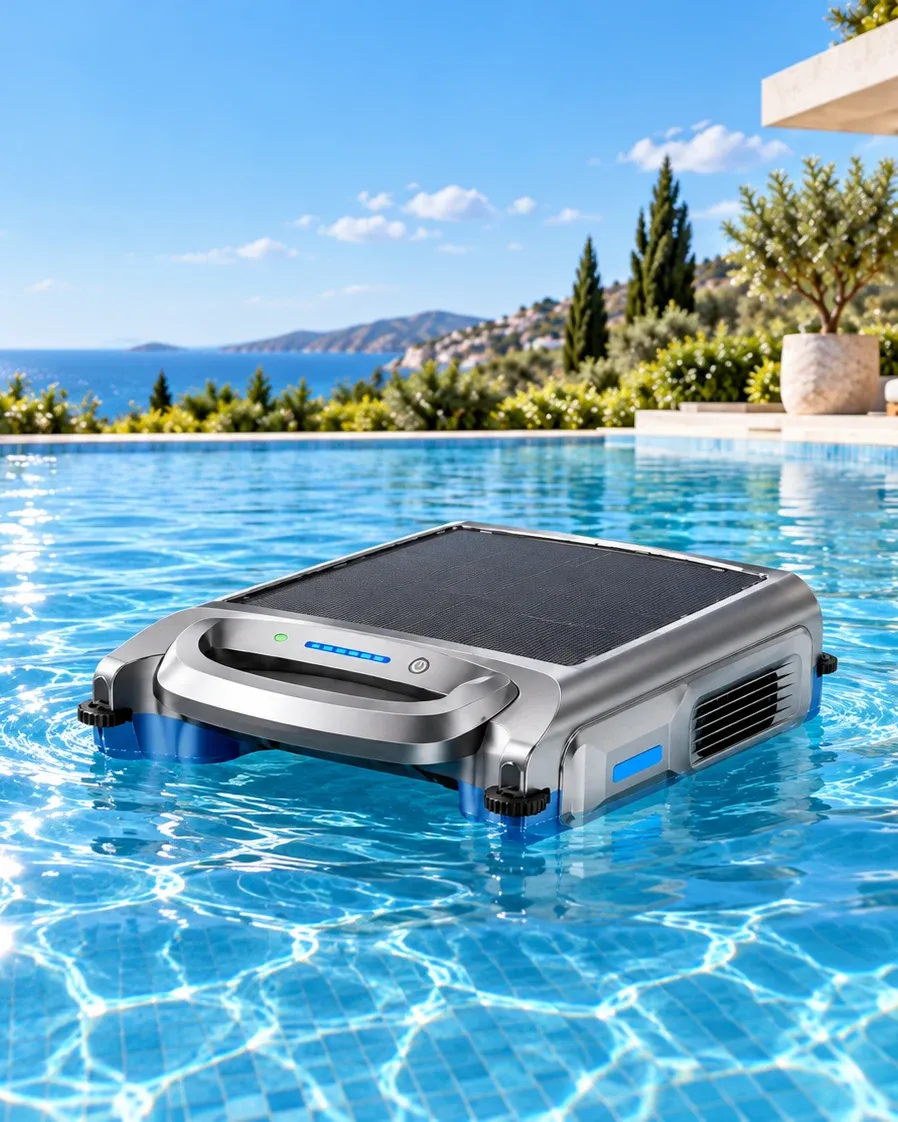
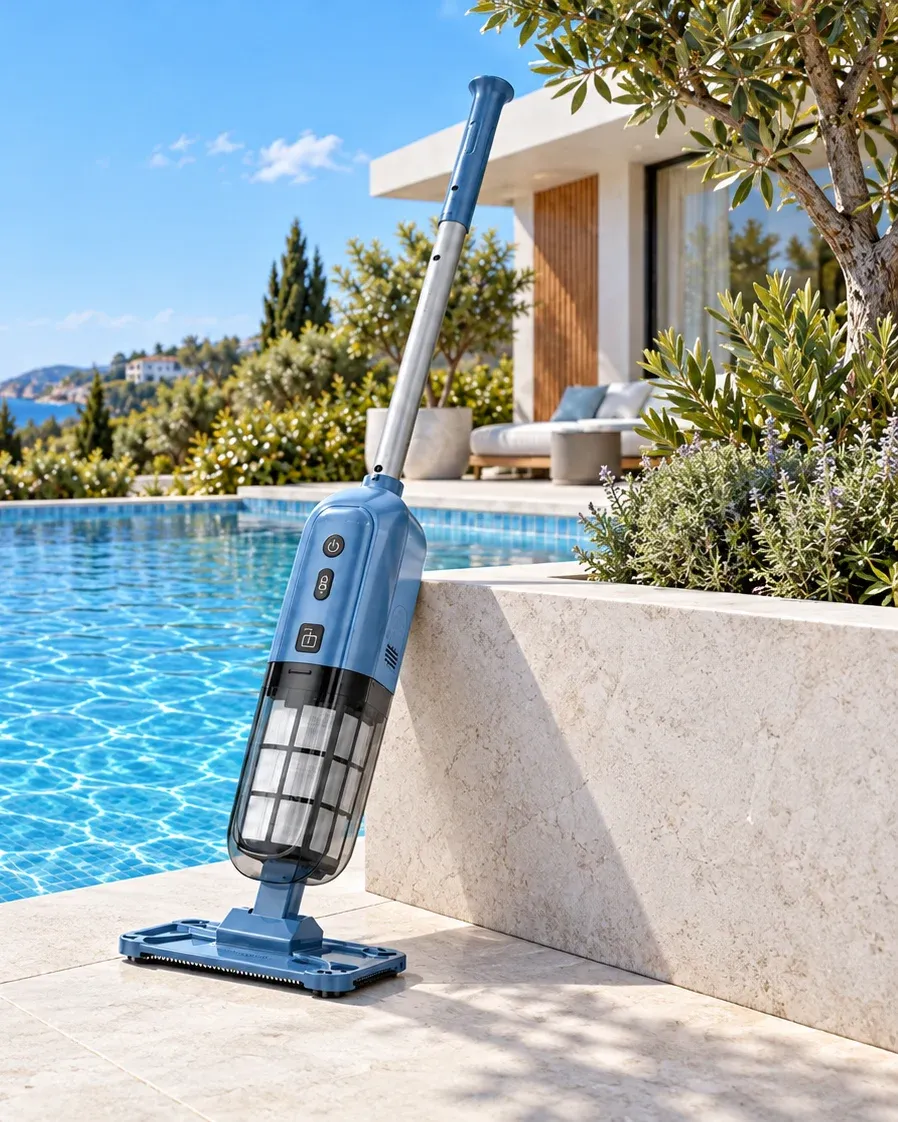
At our Changzhou factory, spare parts and batteries can be ordered separately, and we supply UN38.3 test reports and MSDS for lithium battery shipping; air freight adds dangerous-goods paperwork and labels. On the Y50S, packed robots spent 1 hour on a vibration table, 20 minutes per axis, and went through drop tests to GB/T 2423.7 and IEC 60068-2-31; the robots inside powered on, charged and cleaned normally.
When is sea freight the simpler answer?
If the spares aren't urgent, ship them by sea with the robots and keep air freight for genuine stock-outs. Air is worth it when a retailer is waiting on replacement batteries in season; it's rarely worth it for a first order's spare stock.
Silver Home designs and builds robotic pool cleaners in its own factory in Changzhou. If you're planning spare batteries for a first run, send your target models and shipping mode through the form below, and we'll confirm the battery documents by model.
Prepared for the Silver Home website.